Moving From Connecticut to Florida? Keep the Shoreline Life Without the Ice.
A dock behind the house in January. An office you can reach without Metro North. A move from Fairfield County or the shoreline planned before the flight.
Whether the firm opened a Palm Beach office or the Sound finally froze you out, the move works when the home is right. BreakThru Realty finds, vets and negotiates it for Connecticut buyers before they book a flight.
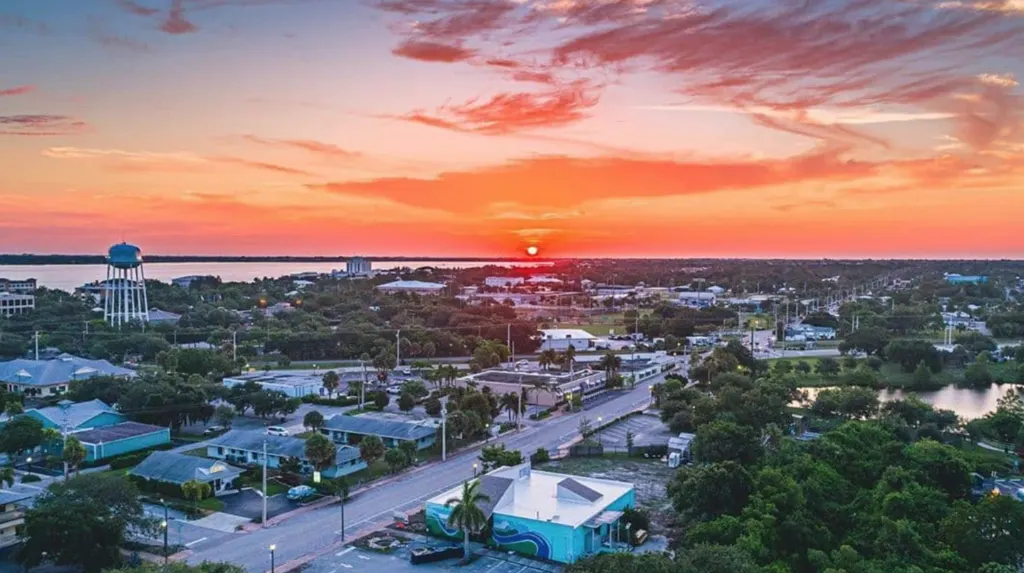
Find Your Florida Lifestyle
Tell us where in Connecticut you are moving from, your budget, what matters most (beach access, walkability, a larger home, luxury living or retirement) and when you plan to move. The page recommends the communities and the homes for sale that fit, and the same answers start your plan.
Homes Matching Your Criteria
Live listings from the MLS for each community, by the kind of home: waterfront, condominiums, houses and new construction.
Your first step: BreakThru Florida Home Buying Plan
Before You Book a Flight, Know Where to Buy, What Your Money Buys and What to Look Out For
You are not simply buying a home in Florida. You are making a decision about the life you want next, from a place where you cannot drive past the house. The plan starts with a conversation about what the move has to do for you, and ends with a short list of communities and homes worth your time, what each would cost to own, and a tour schedule built around you.
What you receive
- A buying consultation about what you want the move to do, what worries you and what must be true for it to make sense
- A side-by-side comparison of the South Florida communities that fit, with the trade-offs of each
- A first shortlist of homes for sale that match, chosen by an agent rather than a filter
- An ownership-cost review for the homes you like: property tax, insurance, flood and association fees
- A tour plan: live video tours now, and an in-person trip scheduled so one visit covers what matters
- How buyer representation and compensation work in Florida, in writing, before any tour
What happens next
- Tell us where you live now, where you are looking, your budget and your timing.
- A local agent replies within one business day to schedule your buying consultation.
- After the consultation, your agent prepares the community comparison, the shortlist and the cost review.
- You tour by video or in person when you are ready, and decide what happens next.
Free and without obligation. Nothing you tell us is shared with a seller, and you sign a buyer agreement only when you are ready to tour.
Do I have to fly down to buy a home in South Florida from Connecticut? Not for most of it. After the consultation and the buyer agreement, your agent shows homes on live video, times the commute, joins the inspection with you on the phone and collects insurance quotes. One trip for the finalists is worth taking. The closing can be handled by courier or online notary while you stay in Connecticut.
Connecticut households come to South Florida from three directions: a Fairfield County executive whose firm now has a Palm Beach or Miami address, a Hartford or New Haven family done with heating oil and February, and a shoreline owner from Madison, Guilford or Old Saybrook who wants the water without the ice. Each buys a different home, and each needs the same thing: someone on the ground who has already walked the street, read the condominium file and timed the drive. BreakThru Realty represents Connecticut buyers here, so that work is done by a brokerage already working for you before you book a flight.
How Much Does It Cost to Move From Connecticut to Florida?
The move itself is the easy sum: a mover, flights, deposits and a temporary lease, some of it covered when a firm is relocating you. What decides whether the move pays off is the monthly list that replaces your town’s mill rate bill: property tax at an assessment reset to your purchase price, windstorm coverage priced on the roof and the distance to the ocean, a flood policy on most waterfront and many inland streets, association dues that in a gated or club community can rival a car payment, and the cost of a dock and a seawall if you buy on the water. We print no total because it changes with the home and the building. The Florida Home Cost Calculator sets the quotes for a specific home against your Connecticut property tax and car tax, so the answer is specific to you.
Is Florida Cheaper Than Connecticut When Mill Rates and Insurance Are Both Counted?
On taxes, usually; on the full monthly ledger, only when the home is chosen well. Connecticut taxes income, taxes your cars every year through the same mill rate as your house, and is one of the few states with an estate tax and a gift tax. Florida has no personal income tax, no annual tax on a car’s value and no state estate tax, so a household whose domicile genuinely moves keeps more. Against that stand costs a Darien or Glastonbury budget never carried: hurricane insurance with its own deductible, a separate flood policy, condominium fees that fund reserves and structural inspections, and a tax bill with no cap in its first year. Chase the tax picture into an older oceanfront tower and the monthly bill can exceed what Westport cost you. Set one specific Florida home against your current house, line by line, and have a CPA sign off on the tax side before you call any of it a saving.
Where in South Florida Should a Fairfield County or Shoreline Household Look?
Start with the office or the water, whichever drives the move, then choose the home type. Employers here line the coast: banks, funds and law firms in downtown West Palm Beach and Brickell, corporate campuses around Boca Raton and the Fort Lauderdale airport, and hospitals and professional practices between Palm Beach Gardens and Jupiter. A Fairfield County household used to a planned subdivision will recognize Palm Beach Gardens, Boca Raton and Coral Springs, with a guardhouse in place of a stone wall. A shoreline owner who wants a boat behind the house again should compare the canal neighborhoods of Fort Lauderdale, the riverfront in Jupiter and the St. Lucie in Stuart, which comes closest in feel to Madison or Old Saybrook. Brightline links Miami, Fort Lauderdale, Boca Raton and West Palm Beach for anyone who misses the train habit, but most people drive, so your agent makes the commute at the real hour and reports the time before you write an offer.
What Worries a Connecticut Buyer, and What Does the Plan Put in Writing?
Five concerns come up first with Connecticut buyers: choosing the wrong stretch of a long coast, a condominium whose assessments dwarf its dues, a better home missed because you were in Stamford when it listed, an agent who treats a buyer in another state as a lower priority, and not knowing whether the brokerage is one to rely on. The Florida Home Buying Plan answers each with a deliverable you receive in writing and keep, which is not the same as a consultation renamed. The list below is what you get for each.
- The wrong area: a comparison of communities built around your office, your airport, your budget and how you want to use the water, written before any listing goes out
- Assessments and other costs: a line by line ownership review for each home you like, with the condominium file read and insurance quoted for the real address
- Missing the right home: a shortlist assembled by an agent from live listings and kept current as homes come on, and a live tour on video of each one that fits
- A lower priority: a named agent, a dated schedule that matches a firm’s start date or a school year, and the same work a buyer already here receives
- Relying on the brokerage: a Florida licensed broker of record, terms signed before the first showing, and your bargaining position kept out of the seller’s hands
What Does an Executive Move on a Company Timeline Need From the Plan?
Speed with the evidence intact. A partner or an executive relocating because the firm opened a Palm Beach or Miami office has a start date, a relocation package to read and little slack, so the plan starts with the office address and works outward: a shortlist filtered by the real drive from the office and from the airport you will use most, a comparison of the two or three communities that fit, live video tours scheduled around your calendar rather than ours, and the condominium or association file read before you fly down for the finalists. Read the package first, because a home sale program, temporary housing or a house hunting trip benefit can set the order of events. We work alongside your relocation coordinator, keep your negotiating position out of the seller’s hands, and time the offer, the inspection and the closing to the start date. A tax adviser should see the package too, since reimbursements and a mid year change of domicile both affect your return.
Should You Buy in Florida Before Your Connecticut House Sells?
Buy first when a start date is fixed or the Florida home matters more than the timing, and your finances can carry both for a few months; sell first when the Connecticut sale is uncertain or you want the proceeds in the bank before you shop. Selling in Connecticut means an attorney, a contract signed after the inspection and a closing date that can slip when a buyer’s mortgage commitment does, so a Florida contract timed to the day is a risk. Buying first lets you move once and write a clean offer; it means two mortgages or a bridge arrangement until the Connecticut closing, which is a question for a mortgage lender before you list. A rent back from your Connecticut buyer can keep the household in place until June. A Florida offer that depends on your sale is a third route, and a seller holding other offers may pass on it. Your agent keeps both closings on one calendar and can introduce a licensed Connecticut agent through a broker to broker referral.
Rent for a Season or Buy Now After Leaving Connecticut?
Buy now if the office is final, the county is chosen and you have been here in August. Rent for a season if the firm’s plans could still move, if you are torn between Palm Beach County and Broward, or if you have only known South Florida in winter. A lease shows you the drive at the hour you would make it, the summer heat and whether the building you admired is one you want to own, and it lets a start date arrive before the Connecticut house sells. The cost is a season of rent, which runs high in winter and books early, a second move, and a homestead exemption that waits for the first January 1 on which you own and occupy the home. The lease search is run with the care of a purchase, approval and all, and the purchase is planned to close as the lease ends.
Can You Buy a Florida Home Without Leaving Connecticut?
Yes, and most Connecticut buyers do the bulk of it from home. The first step is a buyer agreement in writing, which every Florida showing has required since August 2024, and a live video tour your agent leads counts as one; we go through what it covers, what your agent is paid and how it ends before you sign. From then on your agent is the person on the ground: each shortlisted home is toured on camera, the hallway, the parking and the dock included, and the commute is driven on a weekday morning rather than estimated. You join the inspection by phone and put your questions to the inspector directly. Insurance is quoted for the exact address during the inspection period. Closings in Connecticut belong to attorneys; here a title company usually runs them, and the documents can reach you by courier or be signed in an online notary session. One trip for the finalists is worth making, and the wire goes nowhere until you have verified the instructions by telephone with the title company on a number from its own website.
Will Connecticut Keep Taxing You After You Move to Florida?
It can, in two separate ways, and both are decided by facts. The first is domicile: Connecticut does not stop treating you as a resident because you bought a house in Florida, and it looks at where you spend your days, where your doctors, advisers and valuables are, and where you vote and hold a license. The second is statutory residency: a Connecticut home you can live in, combined with a day count in the state above 183 in the year, lets Connecticut tax you as a resident even after your domicile has moved, so keeping the shoreline cottage changes the arithmetic. Connecticut source income, including a business or rental property you keep there, can stay taxable after a genuine move, and property kept in the state may remain within its estate tax. On the Florida side you build the record: a driver license within 30 days, a declaration of domicile with the county, your voter and vehicle registrations, and the homestead claim, filed by March 1 for the home you owned and were living in on January 1. Have a CPA or an attorney who handles both states set out the order and keep your day count before you move. The state revenue agency is linked under Sources at the end of this page.
What Changes From a Colonial With a Basement to a Florida House or Condo?
More than the view does. A Connecticut colonial or cape has a full basement, a boiler fed by oil or gas and, in many towns, a well and a septic system. A South Florida house sits on a concrete slab with no basement, so storage and the mechanical equipment move to the garage or a closet; the walls are concrete block, heat is a strip inside the air conditioning system that runs a few mornings a year, and water and sewer come from the city or county nearly everywhere you will look. Windows are impact rated or protected by shutters, the roof’s permit date is the first thing an insurer asks for, and the flood zone and elevation matter as much as the lot. Compare room by room rather than by square footage, because a finished basement has no counterpart. A condominium buyer takes on a different file: under the 2022 law a building of three or more stories must complete milestone structural inspections and a reserve study, and what they find can raise the dues or produce a special assessment that follows the unit, so ask for the reports before you offer.
How Do You Get Back to Connecticut and New York When You Need To?
Easily, and on the same clock. Fairfield County households keep the New York airports, where flights to the three South Florida airports leave all day, and Westchester County Airport adds its own nonstops to South Florida. Bradley serves Hartford and the shoreline with nonstop Florida service, and Tweed New Haven has added flights to Florida cities. Eastern time keeps a Stamford office and a grandchild’s bedtime call on the schedule you have now. The caution is for anyone who keeps a Connecticut home and spends part of the year in it: each night spent there adds to the statutory residency count, so have your tax adviser rule on the calendar before you commit to it.
Where in Florida Should a Connecticut Household Live?
- Boca Raton: Gated and club communities, a corporate office park and beachside condominiums in one city; association dues and club minimums vary widely from one gate to the next.
- Palm Beach Gardens: Golf course and planned neighborhoods near the Palm Beach airport and a growing medical corridor; the layout will feel familiar to a Fairfield County owner.
- Jupiter: A smaller coastal town at the north end of Palm Beach County with riverfront houses, beachside condominiums and a marina district; prices climb quickly near the water.
- Stuart: A river town with a historic downtown and waterfront neighborhoods on the St. Lucie, closest in feel to the Connecticut shoreline towns, and an hour from the big airports.
- Fort Lauderdale: Canal front houses with docks, downtown condominium towers and its own airport midway along the coast; waterfront addresses bring seawall and flood questions.
- Coral Springs: A planned inland city of single family subdivisions and parks in western Broward, with larger lots and newer construction than the coast and a longer drive to the beach.
Each link opens that community’s page, with the homes for sale there now. Your agent adds the streets, the buildings and the trade-offs a listing does not show.
Before You Fall in Love With a Florida Home, Understand What It Costs to Own
The price is one number. The mortgage, property tax, homeowners insurance, flood insurance and association fees are the ones you pay every month. Put your own figures into the calculator, mark which ones are real quotes and which are still estimates, and compare the total with what you pay where you live now.
Why Work With BreakThru Realty Instead of Searching for Homes Yourself?
Anyone with an internet connection can search Florida homes. When you are buying from another state, the information you do not have matters as much as the listings you can see: the insurance that costs more than you expected, the special assessment the condominium has pending, the street that does not fit your daily routine. Our role is to help you understand what you are buying before you commit.
- Find Your Community. An area comparison built from your commute, budget, schools and the way you live, before any listing is sent, so you choose between real neighborhoods rather than reputations.
- Explore Homes Remotely. Your agent tours each home live on video, walks the street and the building, and attends the inspection with you on the line, so distance stops being the reason you miss the right home.
- Understand Ownership Costs. Property tax at the reset value, homeowners and flood insurance, association fees and reserves, set beside the price of every home you like, so the monthly number is real before you offer.
- Negotiate With Confidence. Local market information, an offer strategy talked through with you, and the contract deadlines worked through to closing, with the Florida specifics explained before they cost you.
- Close With Local Representation. A licensed Florida broker of record, a written buyer agreement before any tour, and a closing you can usually sign from where you live, with wiring instructions confirmed by phone.
You are not simply buying a home in Florida. You are making a decision about the life you want next. We will help you make an informed one.
Questions you may be asking
- I am months away from moving.
- That is the right time to start. The plan tells you which areas to watch, what homes there cost to own and what a realistic offer looks like, so the trip you eventually book is spent on the right streets.
- Can I really buy without being there?
- People do, and it takes more care, not less. Your agent tours live on video, walks the street and the building, attends the inspection with you watching, and coordinates a closing you can sign remotely where the title company and your lender allow it.
- Does a buyer's agent cost me anything?
- Buyer-agent compensation is negotiable and set out in the written buyer agreement you sign before touring. In many South Florida sales the seller or listing broker offers to pay some or all of it, but that is never certain, so we explain the position on each home before you tour it.
- I can search listings myself.
- You can, and you should keep looking. What a listing cannot tell you is what the insurance will cost, whether the building has an assessment coming, or how the street feels at eight in the morning. That is the part the plan covers.
- I have a home to sell first.
- Most out-of-state buyers do. The plan works through the order: selling first and renting, buying first, or a contingency where the market allows it. We can introduce an agent where you live now, and for anything about bridging the two, consult a lender.
Plan My Move
Tell us where you live now, where you are looking and what the move has to do for you. A local BreakThru agent replies within one business day to schedule your buying consultation, then prepares your communities, your shortlist and what each home would cost to own.
Call or email the brokerage directly: (786) 914-1017 · sales@breakthrurealty.com
Questions People Ask Before Moving
- What does the Florida Home Buying Plan include, and what does it cost?
- Nothing, with no obligation. It contains six deliverables: a consultation built around the office, the water or whatever drives your move, a comparison of the communities that fit, an agent’s shortlist of homes, an ownership cost review for the homes you like with the condominium file read, a tour plan, and the buyer representation terms in writing. After you submit the form, a local agent replies within one business day and schedules the consultation.
- If I keep my shoreline house, will Connecticut still tax me as a resident?
- It can. A house you can live in counts as a permanent place of abode, and once your days in Connecticut pass 183 in a year the state can treat you as a statutory resident whatever your domicile. Keeping the cottage therefore turns on a day count you must be able to prove. Florida has no personal income tax, but the benefit depends on where your life actually moves. A CPA or attorney who handles both states should set this out before you decide.
- Is a condominium or a house the better choice for a Connecticut buyer?
- It depends on how you will live. A condominium is easier to leave if you plan to spend summers back on the Sound, and the association insures the building, but you live under its rules and its inspection and reserve obligations. A house gives you a yard, a dock in the canal neighborhoods and freedom from the association, and asks you to carry the insurance, the roof and the shutters yourself. We put real figures beside each before you choose.
- Which part of South Florida feels most like the Connecticut shoreline?
- Stuart and the Treasure Coast come closest: a river town with a historic downtown, waterfront neighborhoods and a slower pace, at the cost of a longer drive to the large airports. Jupiter offers water and a small town feel closer to Palm Beach International. Fort Lauderdale’s canal neighborhoods give you a dock behind the house with a city around it. Your agent compares the three against what you had on the Sound.
- Do I have to fly down to buy a home in South Florida?
- Not for most of it. Once you have had a consultation and signed the buyer agreement, your agent shows you homes on live video, times the commute, joins the inspection with you on the phone and collects insurance quotes for each address. One trip to see the finalists is worth taking. The closing can usually be handled by courier or an online notary while you stay in Connecticut.
- How do I coordinate a Connecticut closing with buying in Florida?
- Decide the order first. Sell first and you know your budget and rent here for a few months; buy first and you own two homes until the Connecticut closing. A rent back or a sale contingency can bridge the two. We coordinate with your Connecticut attorney and agent, or introduce an agent by referral, and keep both closings on one calendar. Consult a mortgage lender about carrying both before you list.
Sources
Buying a Florida Home From Another State
Moving to Florida
Moving From Another State
- Moving From New York
- Moving From New Jersey
- Moving From Georgia
- Moving From California
- Moving From Texas
- Moving From Illinois
- Moving From Pennsylvania
- Moving From Virginia
- Moving From North Carolina
- Moving From Massachusetts
- Moving From Alabama
- Moving From Alaska
- Moving From Arizona
- Moving From Arkansas
- Moving From Colorado
- Moving From Delaware
- Moving From Hawaii
- Moving From Idaho
- Moving From Indiana
- Moving From Iowa
- Moving From Kansas
- Moving From Kentucky
- Moving From Louisiana
- Moving From Maine
- Moving From Maryland
- Moving From Michigan
- Moving From Minnesota
- Moving From Mississippi
- Moving From Missouri
- Moving From Montana
- Moving From Nebraska
- Moving From Nevada
- Moving From New Hampshire
- Moving From New Mexico
- Moving From North Dakota
- Moving From Ohio
- Moving From Oklahoma
- Moving From Oregon
- Moving From Rhode Island
- Moving From South Carolina
- Moving From South Dakota
- Moving From Tennessee
- Moving From Utah
- Moving From Vermont
- Moving From Washington State
- Moving From Washington, DC
- Moving From West Virginia
- Moving From Wisconsin
- Moving From Wyoming
Moving From Your City
Relocation By Situation
Corporate Relocation & Partners
Related on BreakThru Realty
- Buying a Florida home from out of state
- Keeping Connecticut and buying a winter home here
- Executive relocation
- Florida Home Cost Calculator
- Search South Florida homes for sale
- How BreakThru represents buyers
- Miami-Dade County real estate
- Broward County real estate
- Palm Beach County real estate
- Martin County real estate
- St. Lucie County real estate
- Indian River County real estate
- South Florida rentals
- Florida homebuyer programs
- Housing market reports by city and county
- Tyson E. Sam, Founder and Broker of Record
- Agents: refer a client moving to Florida