For Owners of $1M+ Commercial Property in Florida
Sell a $1 Million+ Commercial Property in Florida: Know What Buyers Will Underwrite Before They Offer
Income, leases, occupancy, condition and the buyer's financing set the price, not the asking figure.
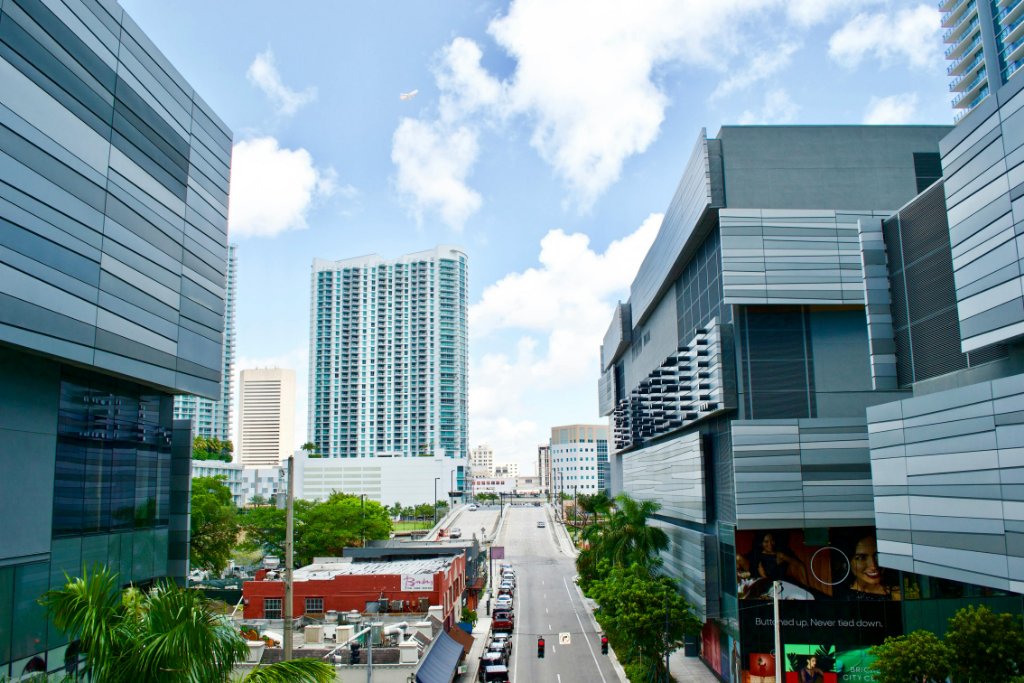
Income, leases, occupancy, building condition, expenses, tenant strength and buyer financing drive the price and terms of a commercial sale. Before you take an office, retail, industrial, multifamily, medical, hospitality or mixed-use property to market, see the sales and listings it will be measured against, the net operating income a buyer will accept, the cap-rate sensitivity around it and the questions your leases will raise. BreakThru Realty prepares that review in writing for owners of $1 million and up commercial property anywhere in Florida.
Get My Commercial Value & Sale Strategy · See Our Commercial Sales Process
See What the Income Supports
Net operating income worked from your rent roll and statements, and the value it implies across the cap rates buyers have actually paid for comparable property.
Know the Questions Before the Buyer Asks Them
Lease rollover, tenant credit, deferred maintenance, the property tax and insurance a new owner will pay, environmental history: each stated with what it does to price and terms.
Choose the Buyer and the Route
Investor or owner-user, local or out of market, public listing or confidential offering: how each would underwrite, finance and close, and which suits your timing.
Before You Decide
Buyers pay for income they can verify
A rent roll, the leases and the operating statements that survive a buyer's check are worth more than a higher asking price. The review finds the gaps before a buyer's due diligence does.
The cap rate is not yours to set
It is what buyers are paying for property of that type, location and tenant quality today. A half-point moves the price by more than most owners expect, which is why the sensitivity is shown.
A new owner's costs are not your costs
Florida property taxes reset on sale and insurance is repriced; buyers underwrite their numbers, not your bills. A review that ignores that produces a price the market corrects later.
What You Receive: Commercial Value & Disposition Review
A written review of what buyers will underwrite on your property and how it should be taken to market, prepared by a licensed BreakThru Realty agent from your rent roll, statements and the sales and listings it will be measured against.
Included once the broker has what the review needs
- The comparable sales and the listings yours would compete with today, per square foot or per unit, with their time on market
- For an income property, the net operating income worked from your actual figures and the cap-rate sensitivity around it, with the assumptions stated
- The lease, occupancy and tenant-credit points a buyer will raise, and what each one does to price and terms
- Who is likely to buy, investor or owner-user, local or out of market, and how each will finance and underwrite it
- The sale documentation checklist buyers and lenders ask for, so due diligence is short and the price is not renegotiated late
- How the property would be distributed if you proceed: MLS, cooperating brokers, registered buyers and direct outreach, under a confidentiality agreement where you want one
What it does not promise
- A formal appraisal
- An assured cap rate or sale price
- That financing will be available to a buyer
Prepared by hand by a licensed BreakThru Realty broker; nothing is generated automatically and no figure for your own asset is published.
Also Available: Leasing & Vacancy Cost Review
A written comparison of the rent your space can ask, the concessions it will have to meet, what each vacant month costs and which tenants fit, prepared by a licensed BreakThru Realty agent before the space is marketed.
Included once the broker has what the review needs
- The asking rents and the terms on the spaces yours competes with, what has leased and how long the rest has sat
- A vacancy-cost illustration from your own figures: base rent lost each month, the carrying costs you keep paying, and what a reduction or an allowance would cost over the term
- The tenant profile the space fits: use, size, credit, build-out and the zoning and exclusives that rule some tenants out
- The concession scenarios worth considering, free rent, allowance or rate, and what each does to the effective rent
- How the space would be marketed and screened if you proceed, and what you would hear back while it is listed
What it does not promise
- A promised rent or tenant
- A screening outcome
- Occupancy by a date
Prepared by hand by a licensed BreakThru Realty broker; nothing is generated automatically and no figure for your own asset is published.
How the Sale Is Run
- Review your goals. Sale, refinance, sale-leaseback or hold; timing; a 1031 exchange to coordinate; what has to stay confidential; what the proceeds have to do.
- Analyse the asset and the market. NOI from your actual figures, comparable sales and current listings, lease abstracts, occupancy, condition and the buyer's cost basis after sale.
- Choose the position and the route. Pricing scenarios with their cap-rate sensitivity, the buyer types to target, and a public listing or a confidential offering under agreement.
- Prepare the package. Rent roll, leases, statements, survey, zoning, certificates, inspections, environmental history, photographs and floor plans; an offering memorandum where the asset warrants one.
- Market and screen. MLS, cooperating brokers, registered investors and owner-users, 1031 buyers on deadlines and direct outreach; financials released to qualified buyers under confidentiality.
- Negotiate and close. Letters of intent compared, the contract and its due-diligence period managed to its dates, estoppels and subordination agreements gathered, closing coordinated with your attorney and the buyer's lender.
How Does a Broker Estimate the Value of a $3 Million Commercial Building?
For a stabilised income property, buyers often estimate value by dividing annual net operating income by a market-supported capitalisation rate. For example, $195,000 of NOI at a 6.5% cap rate implies $3,000,000 before other adjustments. Enter your own income, expenses and cap-rate scenario; the table shows how a half-point either side moves the figure.
The relevant cap rate, the lease structure, the quality of the expense figures, financing conditions and the physical condition of the building determine whether that illustration fits a particular property. No rate on this page is a current market rate for your building.
An illustration with figures you enter, not an estimate of your property or business. BreakThru Realty does not publish a value for a specific asset; the review is prepared by a licensed broker and given to you in writing. The calculator on this page runs in your browser with the figures you enter and sends nothing anywhere.
How a $1 Million+ Commercial Property Is Valued
An income property is valued on its net operating income, the rent the leases actually produce less vacancy and the operating expenses the owner pays, before debt service, divided by the capitalisation rate buyers require for that type, location and tenant quality. An owner-user building is valued on what a business would pay to own rather than lease the space, read against comparable sales per square foot. Land and redevelopment sites are valued on what can be built. The review works the figure the way a buyer's underwriter will, from your rent roll and statements and the MLS and public-record sales, and shows you the sales and listings behind it in writing. It is a broker's opinion of value, not an appraisal, and BreakThru Realty never publishes an estimate for a specific property.
What Your Leases Do to the Price
Investors underwrite a building tenant by tenant: the remaining term, the increases, the renewal options, the recoveries for taxes, insurance and common area maintenance, and the credit behind each lease. A long lease to a creditworthy tenant raises the price; a cluster of expirations in the next two years lowers it; vacancy is valued on what the space would lease for and how long it would take. A tenant-occupied building can be marketed without disturbing the tenants, with tours by appointment, and the tenants are asked for estoppel certificates only once a buyer is under contract. The review abstracts each lease and states what it does to the figure, so a renewal or a restructuring before listing can be weighed against its cost.
Who Buys $1 Million+ Commercial Property in Florida
Private investors and funds buying on income; 1031 exchange buyers who must identify replacement property within 45 days of their own sale and close within 180; owner-users, often with SBA financing, buying a building their business can occupy; developers buying older buildings for the land or for conversion where the zoning allows; and, for medical, net-lease and hospitality assets, specialist buyers whose pool is national. Each underwrites differently and each finances differently, and the right buyer for your building depends on its occupancy, size, condition and location. The review names the buyer types your property suits and how the package and the outreach should be built for them.
Selling Confidentially
Many commercial owners do not want tenants, staff, lenders or competitors to learn of a sale before it is agreed. Financials can be released only to buyers who sign a confidentiality agreement; tours can be by appointment; the offering can be marketed to registered buyers and cooperating brokers before, or instead of, a public listing, within the MLS rules that apply to the marketing you choose. The review explains the options and their cost in exposure; confidentiality reduces the audience and cannot remove every risk, and we say so.
Sale, Refinance, Sale-Leaseback or 1031 Exchange
A sale is not always the answer, and the review says so when it is not. Refinancing releases less equity than a sale but keeps the asset; your lender and CPA compare the two, and we provide the market positioning that informs it. A sale-leaseback sells the building to an investor and leases it back to your business on a long lease agreed before the sale, releasing the capital without moving. A 1031 exchange defers tax on the gain when the proceeds are held by a qualified intermediary and reinvested within the deadlines; BreakThru Realty is not a qualified intermediary and does not give tax advice, and the exchange has to be set up before the sale closes, so tell us before you sign anything.
What Representation Involves, and What It Costs
If you proceed after the review, representation means a written listing agreement that sets out the scope, the pricing strategy, the marketing package and distribution, the confidentiality terms, the reporting you receive, the agency relationship under Florida law and the brokerage fee. The fee is negotiated with you and documented before the property is marketed; there is no standard commission. While the property is listed you receive the inquiries, tours, feedback and offers, and what buyers are saying about the price. Your attorney reviews the letter of intent and the contract; your CPA advises on the tax consequences, including any exchange.
Before You Ask: The Objections Owners Raise
- How is the price determined?
- For an income property, from verified net operating income and the cap rates buyers are paying for comparable property; for an owner-user building, from comparable sales per square foot and what a business would pay to own rather than lease; for land, from what can be built. The review shows the sales, listings and figures behind each, and the cap-rate sensitivity, so you can see what moves the number. It is a broker's opinion, not an appraisal.
- What if there are tenants in place?
- Most investment sales are tenant-occupied. The leases transfer to the buyer; the tenants' notice and access rights, and their privacy, shape how the property is marketed and toured; and they are asked for estoppel certificates confirming their lease terms once a buyer is under contract. The review abstracts the leases and states what each does to the price.
- What if I am considering refinancing instead?
- The review provides the market positioning, what the building would sell for and to whom, so the comparison is made on figures. Whether to refinance, and the tax and legal consequences of either route, are decided with your lender, CPA and attorney; we do not give financing, tax or legal advice.
- What about a 1031 exchange?
- Tell us before you sign a contract. The exchange must be set up with a qualified intermediary before the sale closes, replacement property identified within 45 days and closed within 180, and the deadlines are not extended. We coordinate the property side with your intermediary and CPA; we are not a qualified intermediary and do not promise eligibility or that the deadlines can be met.
- Can the sale be kept confidential?
- Yes, within limits. Financials go only to buyers under a confidentiality agreement, tours are by appointment, and the offering can be marketed to registered buyers and cooperating brokers within the MLS rules that apply. Fewer buyers see it, and no process removes every risk; the review sets out the trade-off.
- What are the broker fees?
- Negotiated with you and set out in the listing agreement before anything is marketed. There is no standard commission, and in many commercial sales the fee is shared with the broker who brings the buyer on terms agreed with you in advance.
- How long does a commercial sale take?
- Longer than a home: pricing and the package, marketing, a letter of intent, a contract with a due-diligence period that commonly runs 30 to 60 days, and financing where the buyer needs it. Specialised buildings take longer than small, well-leased ones. The commercial market pages on this site show how long listings like yours have been on the market today; we do not promise a timeline.
Get My Commercial Value & Sale Strategy
The county, the kind of property, whether it is occupied, your own estimate of its value and your timing. A licensed agent acknowledges the request the same business day and asks for the rent roll and statements only when you are ready to share them, under confidentiality.
This is an online form on this page. It asks for your name and either an email address or a phone number, then: City or county; Kind of property; Occupancy; Your estimate of its value; Timing; How you prefer to be contacted; Property address (optional). It does not ask for financial statements, a rent roll or any document.
Your request is with the commercial team and the broker of record, who acknowledge it the same business day. The review is prepared from the figures you choose to share, under confidentiality; nothing is listed, announced or published, and you are not committing to sell by asking.
Prefer to talk? (786) 914-1017 · sales@breakthrurealty.com
Who Is Responsible, and What You Can Check
| Responsible broker | Tyson E. Sam, Founder and Broker of Record, Florida real estate license 3565210 |
|---|---|
| License verification | Florida Department of Business and Professional Regulation public license search |
| Market data | BeachesMLS and the public record; every published figure has a methodology |
| Research | BreakThru Realty Research: the monthly luxury, commercial and business-for-sale reports |
| What we do not publish | Testimonials, transaction counts, sales volumes or a value for your own asset |
Questions Owners Search For
- What is a $200,000 NOI commercial property worth at a 6.5% cap rate?
- An illustrative value is about $3,076,923: $200,000 divided by 0.065. At 5.5% the same income implies about $3,636,364 and at 7.5% about $2,666,667, which is why the cap rate matters more than any single figure. This is a capitalisation-rate example, not an appraisal or a market cap-rate recommendation; buyers also examine tenant quality, lease terms, deferred maintenance, location, capital items and comparable sales.
- How do I sell a commercial building in Florida?
- Establish what the income or the comparable sales support, assemble the package a buyer and a lender will ask for, choose between a public listing and a confidential offering, market to the buyer types the building suits, compare letters of intent on price and certainty, and manage the contract through due diligence, estoppels and financing to closing, with your attorney and CPA involved from the start. The disposition review does the first three steps in writing before you decide anything.
- How much does it cost to sell a commercial property?
- A negotiated brokerage fee agreed in writing before marketing, Florida documentary stamp tax on the deed, title and closing charges, and any costs of preparing the package or the building. Your closing agent confirms the figures for your sale; the fee is never a fixed percentage.
- Should I sell my building vacant or leased?
- It depends on the buyer you want. An owner-user pays for a vacant building it can occupy; an investor pays for a lease. For a small building or a condominium unit, a vacant sale to a user often brings more than the same building on a short lease; a larger building needs tenants to attract investors. The review names which applies to yours.
- Can you sell commercial property outside South Florida?
- Yes. BreakThru Realty's commercial and business divisions work statewide. The MLS data behind the published market pages covers the brokerage's South Florida footprint and the Florida business listings in its feed; for a property elsewhere in Florida the review draws on the public record, the listing services that cover that market and direct inquiry, and says plainly where the data is thinner.
- What is the difference between selling a hotel's real estate and the hotel business?
- They are two assets with two buyer pools. The real estate is valued on comparable sales or on the lease it could carry; the operating business on its earnings and what transfers with it. Hotels, restaurants with their buildings and practices that own their premises are often sold together, separately or in sequence; the review covers both sides and your attorney and CPA advise on the structure.
The Other $1 Million+ Sales
Related on BreakThru Realty
- How we sell commercial property: pricing, package, marketing, closing
- What is my commercial property worth? The broker pricing review
- Sell an apartment building
- Sell a shopping center
- Sell an office building
- Sell a warehouse
- Sell a medical office building
- Sale-leaseback: sell the building, keep operating
- Investment sales and 1031 exchanges
- Sell development land
- Lease out your commercial property: the leasing and vacancy cost review
- Commercial investment calculator
- Published cap rates in the listings we carry
- South Florida Commercial Real Estate Market Report