Foreclosures & Bank-Owned Homes for Sale in South Florida
Every bank-owned home, foreclosure listing, short sale, auction property and estate sale on the MLS across Broward, Miami-Dade and Palm Beach counties, updated throughout the day, with the part nobody tells you: which of these is actually a bargain, and what each one costs you in time and in risk.
The Newest Distressed Listings in South Florida
Bank-owned, foreclosure, short sale, auction and estate listings together, newest first, straight from the MLS and updated throughout the day.
$299,900
7736 Colee Cove Road, St. Augustine FL 32092
3 bd · 2 ba · 1,400 sq ft · Single Family Residence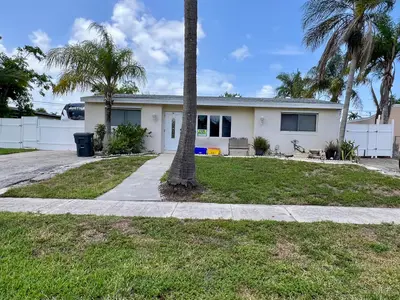 $419,999
591 Tallulah Road, Lake Worth FL 33462
2 bd · 2 ba · 993 sq ft · Single Family Residence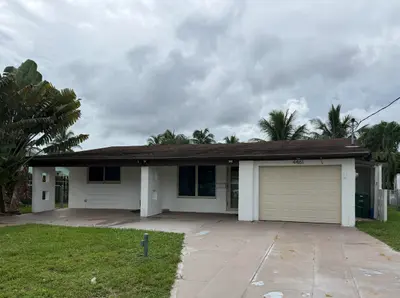 $619,900
4461 SW 34TH Drive, Dania Beach FL 33312
4 bd · 2 ba · 1,543 sq ft · Single Family Residence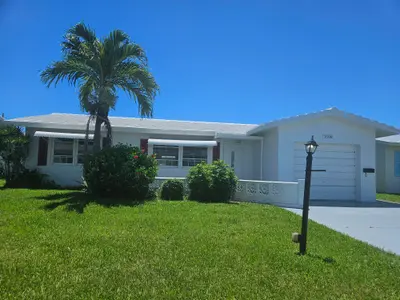 $190,000
1598 SW 13TH Terrace, Boynton Beach FL 33426
2 bd · 2 ba · 1,428 sq ft · Single Family Residence$565,000
4261 SW 164th Court, Miami FL 33185
3 bd · 3 ba · 1,488 sq ft · Townhouse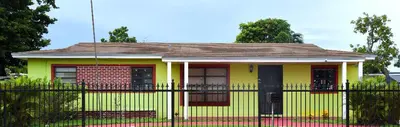 $650,000
, Miami Gardens FL 33055
4 bd · 2 ba · 1,748 sq ft · Single Family Residence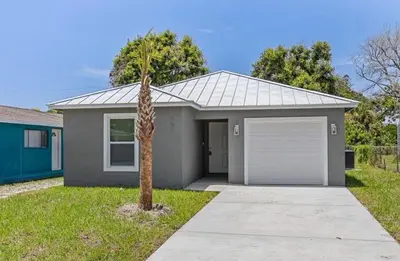 $99,000
909 N 20th Street, Fort Pierce FL 34950
3 bd · 2 ba · 1,482 sq ft · Single Family Residence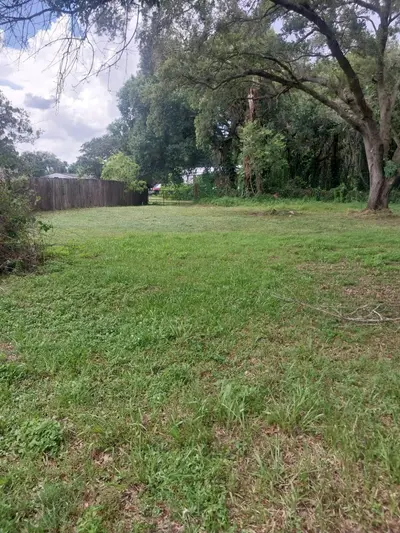 $149,900
6725 NE 8th Lane, Okeechobee FL 34974
3 bd · 2 ba · 1,512 sq ft · Manufactured Home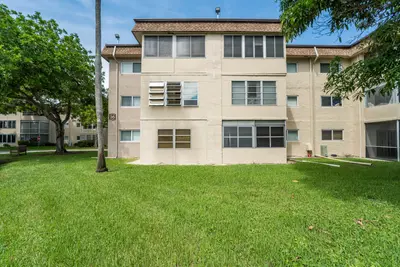 $44,000
705 Lori Drive 112, Palm Springs FL 33461
1 bd · 1 ba · 696 sq ft · Condominium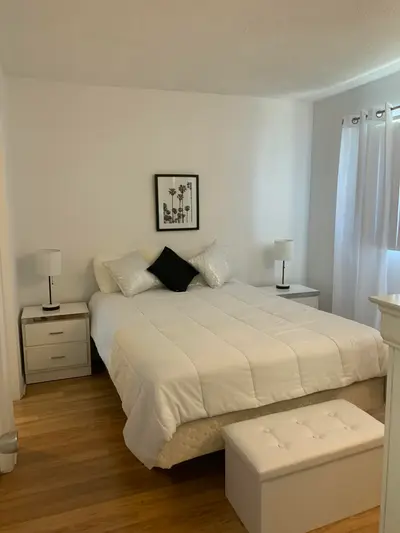 $105,000
2751 E GOLF Boulevard 2028, Pompano Beach FL 33064
2 bd · 1 ba · 750 sq ft · Condominium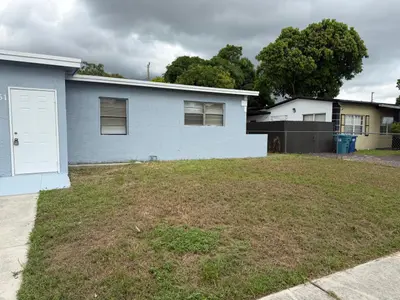 $419,000
3451 NW 6TH Street, Lauderhill FL 33311
4 bd · 2 ba · 1,386 sq ft · Single Family Residence$325,000
5712 NW 68th Terrace, Tamarac FL 33321
2 bd · 2 ba · 1,587 sq ft · Single Family Residence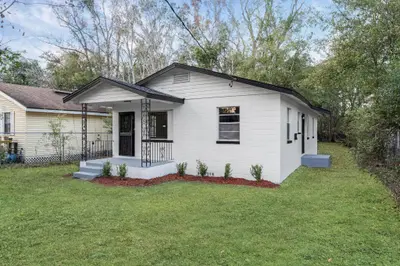 $169,900
503 W 16th Street, Jacksonville FL 32206
4 bd · 2 ba · 1,216 sq ft · Single Family Residence$329,000
2602 E Hallandale Beach Boulevard R906, Hallandale Beach FL 33009
2 bd · 2 ba · 1,028 sq ft · Condominium$1,799,000
7541 NW 100th Avenue, Doral FL 33178
6 bd · 7 ba · 4,306 sq ft · Single Family Residence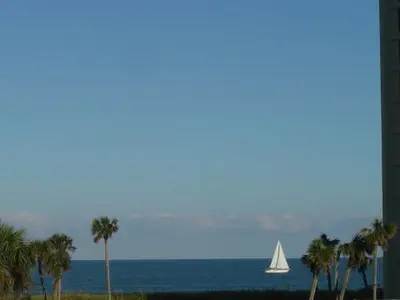 $259,500
2400 S OCEAN Drive 1034, Fort Pierce FL 34949
1 bd · 0 ba · 689 sq ft · Condominium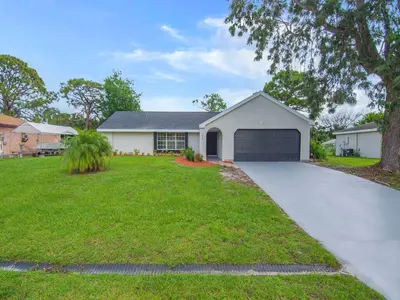 $349,900
374 SW Homeland Road, Port St. Lucie FL 34953
3 bd · 2 ba · 1,544 sq ft · Single Family Residence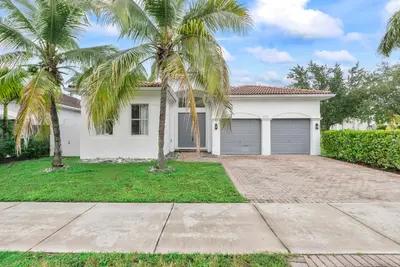 $799,900
8911 NW 178th Lane, Hialeah FL 33018
4 bd · 3 ba · 2,124 sq ft · Single Family Residence$5,490,000
799 Crandon Boulevard 202, Key Biscayne FL 33149
4 bd · 6 ba · 3,581 sq ft · Condominium$425,000
105 NW 58th Street, Miami FL 33127
4 bd · 2 ba · 1,897 sq ft · Single Family Residence$1,095,000
1861 W Eagle Trace Boulevard, Coral Springs FL 33071
5 bd · 5 ba · 3,023 sq ft · Single Family Residence$850,000
4539 NW 83rd Parkway, Doral FL 33166
3 bd · 4 ba · 1,866 sq ft · Townhouse$589,000
6831 Sheridan Street, Hollywood FL 33024
4 bd · 2 ba · 1,480 sq ft · Single Family Residence$1,300,000
45 SW 9th Street 4303, Miami FL 33130
3 bd · 3 ba · 1,447 sq ft · Condominium$410,000
13027 Lily Pond Court, Orlando FL 32824
3 bd · 3 ba · 1,996 sq ft · Single Family Residence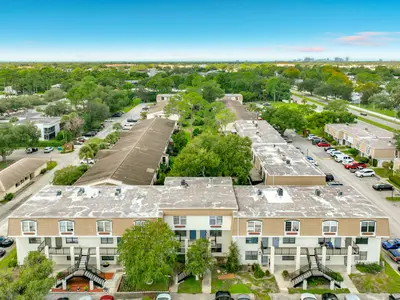 $169,900
6091 Village Circle 6091, Orlando FL 32822
2 bd · 3 ba · 1,128 sq ft · Condominium$259,000
251 SW 22 Place, Cape Coral FL 33991
3 bd · 2 ba · Single Family Residence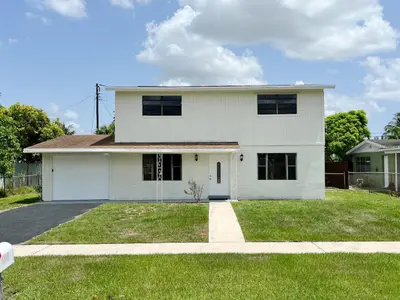 $299,900
5163 MARION Place, West Palm Beach FL 33407
0 bd · 3 ba · 1,778 sq ft · Single Family Residence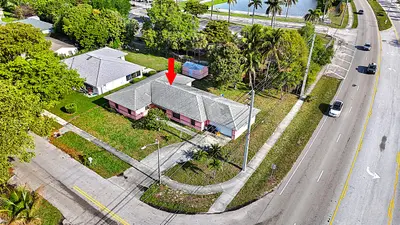 $495,000
1301 N Mangonia Drive, West Palm Beach FL 33401
4 bd · 3 ba · 2,446 sq ft · Single Family Residence$1,029,950
3405 Robbins Road, Pompano Beach FL 33062
4 bd · 2 ba · 1,792 sq ft · Single Family Residence$520,000
11761 SW 243rd Street, Homestead FL 33032
4 bd · 3 ba · 2,894 sq ft · Single Family Residence$280,000
3473 SW 52nd Avenue, Pembroke Pines FL 33023
2 bd · 2 ba · 1,046 sq ft · Townhouse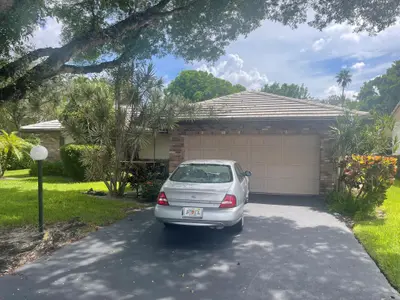 $350,000
10895 CYPRESS RUN Circle, Coral Springs FL 33071
3 bd · 2 ba · 1,660 sq ft · Single Family Residence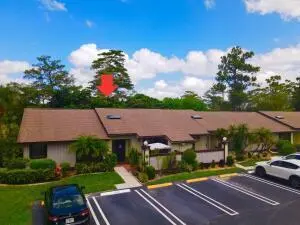 $270,000
499 E Iron Forge Court, Royal Palm Beach FL 33411
3 bd · 2 ba · 1,120 sq ft · Villa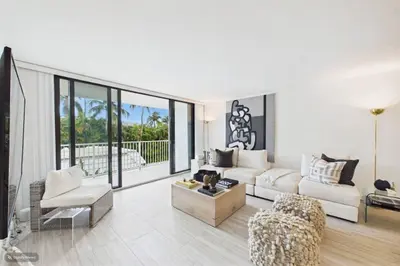 $583,000
2860 S Ocean Boulevard 209, Palm Beach FL 33480
1 bd · 2 ba · 1,012 sq ft · Condominium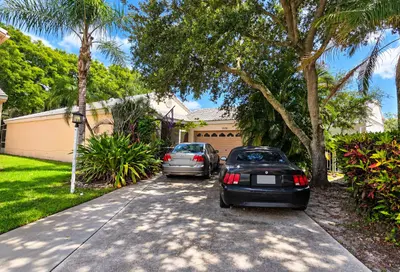 $540,000
9538 NW 8th Circle, Plantation FL 33324
3 bd · 2 ba · 1,566 sq ft · Single Family Residence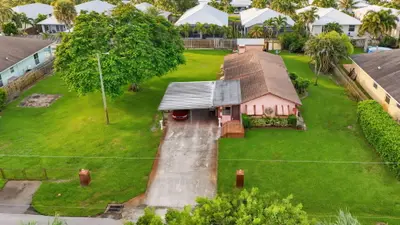 $925,000
17596 CINQUEZ PARK Road, Jupiter FL 33458
3 bd · 2 ba · 1,469 sq ft · Single Family Residence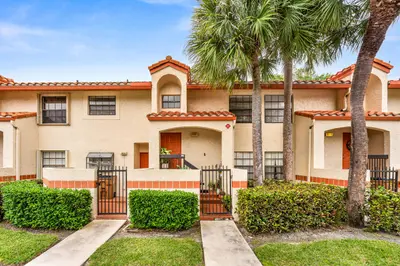 $275,000
906 CONGRESSIONAL Way 906, Deerfield Beach FL 33442
2 bd · 2 ba · 1,150 sq ft · Condominium$1,195,000
13248 SW 188th Terrace, Miami FL 33177
5 bd · 5 ba · 3,456 sq ft · Single Family Residence$480,000
1091 Salih Street, Opa-Locka FL 33054
4 bd · 2 ba · 1,428 sq ft · Single Family Residence$605,000
16101 Emerald Estates Drive 448, Weston FL 33331
2 bd · 3 ba · 1,529 sq ft · Condominium$825,000
15221 SW 158th Street, Miami FL 33187
4 bd · 2 ba · 2,067 sq ft · Single Family Residence$269,000
10729 La Placida Drive 3-4, Coral Springs FL 33065
2 bd · 2 ba · 1,150 sq ft · Condominium$283,900
631 Jefferson Avenue 304, Miami Beach FL 33139
1 bd · 1 ba · 660 sq ft · Condominium$580,000
4245 Maggiore Way, West Palm Beach FL 33409
5 bd · 3 ba · 2,663 sq ft · Single Family Residence$849,000
2135 NW 1st Terrace, Miami FL 33125
0 ba · 2,133 sq ft · Duplex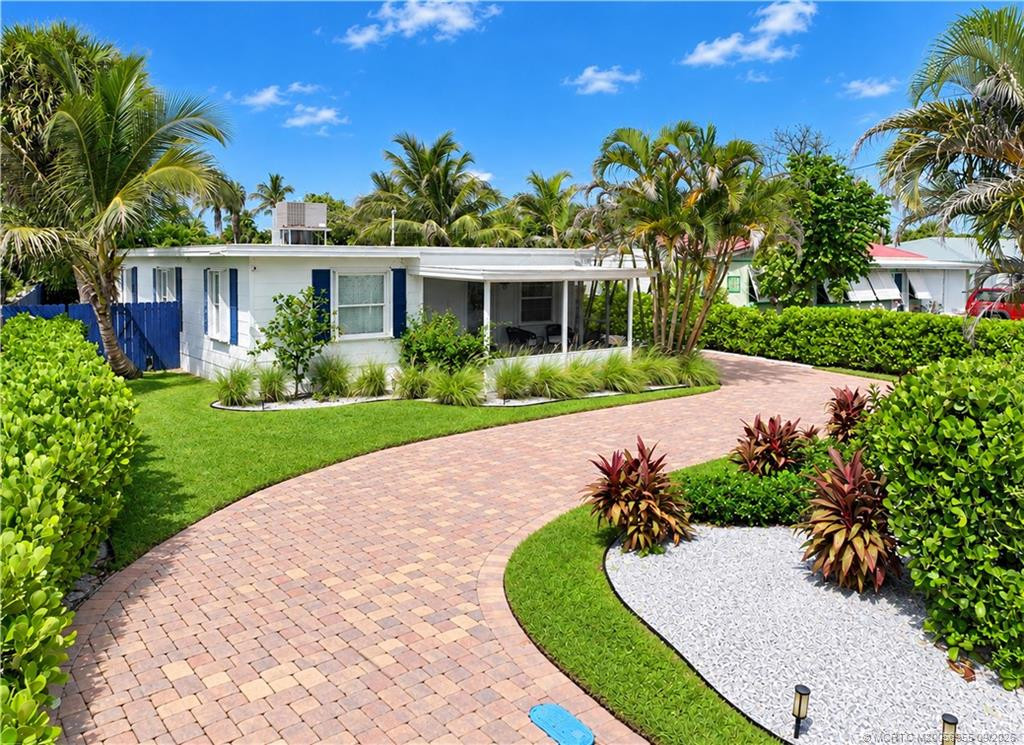 $619,888
307 Granada Street, Fort Pierce FL 34949
4 bd · 2 ba · 1,304 sq ft · Single Family Residence
What "Foreclosure" Actually Means on a Listing
Six different situations all get called a foreclosure, and only one of them is a home the bank already owns. A bank-owned or REO home has been through the auction and the lender holds the title. A foreclosure listing is still owned by the borrower, with a court case open against it. A short sale is a home worth less than the mortgage, where the lender has to approve the price. An auction listing is sold on a platform with a premium added to the winning bid. A probate sale is an estate selling a home after the owner has died. And a pre-foreclosure is not a listing at all: it is a lawsuit on file at the county courthouse against a home nobody has put up for sale. Each one has its own page here, with what it costs, how long it takes, and what goes wrong.
Where the Distressed Inventory Is
Miami-Dade carries the largest distressed market in Florida and the highest share of bank-owned homes within it, concentrated in Hialeah, Homestead, Miami Gardens and North Miami Beach. Broward's is spread across the whole county, with condos in Hollywood, Lauderhill and North Lauderdale and single-family homes through Fort Lauderdale, Pompano Beach and the northwest. Palm Beach County's runs through West Palm Beach, Lake Worth Beach, Riviera Beach and Belle Glade, and it has an unusually high share of probate and estate sales because so much of its housing has been held by the same families for decades. Each county has its own page with its live listings on it.
The Condo Trap in South Florida
Read the estoppel letter before you fall in love with a cheap condo. Since the 2022 structural safety law and the end of reserve waivers, a building with a failed milestone inspection or a six-figure special assessment produces units priced at a fraction of what the building next door gets, and that assessment follows the unit to you. So does an unpaid association balance. This is the most common way a distressed condo purchase in Broward or Miami-Dade turns into a loss, and it is entirely avoidable by reading three documents before you write the offer.
Cash, Financing and What Actually Wins
Well-priced bank-owned homes draw several offers, and banks favour certainty over price: proof of funds, a short inspection period and a closing date they can count on. That does not mean you need cash. Conventional, FHA and VA financing all work on a bank-owned home in lendable condition, and an FHA 203(k) renovation loan covers homes that would fail an ordinary appraisal. What loses is a buyer who is not pre-approved, who needs a long inspection period, or who cannot close when the bank's addendum says to.
What We Check Before You Make an Offer
A title search for second mortgages, judgments, code enforcement liens, association arrears and open permits. The tax bill, and whether the homestead exemption and the Save Our Homes cap reset on sale, which can double the carrying cost of a home the previous owner held for twenty years. The association estoppel and reserve study on a condo. The court docket where a case is open. And whether anyone is still living there, because a bank-owned home with an occupant is an eviction you inherit. Every one of these is knowable before you are committed to anything.
If It Is Your Home That Is in Foreclosure
You have more options than the letters suggest, and they narrow as the case moves toward judgment: reinstating the loan, a modification or forbearance with the servicer, selling on the open market if you have equity, a short sale if you do not, or handing the property back through a deed in lieu. Selling before the judgment generally protects your credit better than losing the home at the clerk's sale, and where the home is worth more than the debt it puts the surplus in your pocket rather than leaving it to be claimed out of the court registry. BreakThru Realty is a licensed Florida brokerage, not a foreclosure rescue service, we never charge a homeowner an upfront fee, and the conversation costs nothing.
Foreclosures by Type of Sale
Foreclosures by County
Foreclosures in Florida: Frequently Asked Questions
- Do you have a list of foreclosed homes for sale?
- Yes. Every bank-owned home, foreclosure listing, short sale, auction property and estate sale currently on the MLS across South Florida is on this site, updated throughout the day, with its own page per category. What no site can honestly give you is a list of pre-foreclosures for sale, because a pre-foreclosure is a court filing against a home whose owner has not decided to sell.
- What is the difference between pre-foreclosure, foreclosure and bank-owned?
- They are three points on one timeline. Pre-foreclosure begins when the lender files suit and records a lis pendens, and the owner still owns the home. Foreclosure is that case working through the court, and a home listed for sale during it is a foreclosure listing. Bank-owned, or REO, is what happens after the auction when nobody bid enough and the lender took the title. Bank-owned is the one you can simply go and buy.
- Are foreclosures cheaper than regular homes?
- Sometimes, and rarely by as much as people expect. Banks price bank-owned homes from a broker price opinion at or slightly below market for the condition they are in, and a clean one in a good area can sell above asking in a competitive market. The genuine discount is for condition and for risk, which is exactly what you are taking on.
- Can I buy a foreclosure with a mortgage?
- Yes, if the home is in lendable condition. Conventional, FHA and VA loans all work on bank-owned and short-sale purchases. Homes with a failed roof, a missing kitchen or no working systems will not pass appraisal, and those sell to cash buyers or to borrowers using a renovation loan such as the FHA 203(k).
- How long does buying a distressed home take?
- A bank-owned home closes on a normal timeline, thirty to forty-five days. A short sale takes three to six months because the lender has to approve the price. A probate sale takes sixty to ninety days and sometimes a court order. A foreclosure listing depends on the case, and the sale can be overtaken by the clerk's auction date if nobody is managing that calendar.
- What is the difference between an MLS auction listing and the courthouse auction?
- An auction listing on this site is a home marketed for sale by auction, usually online, that you can tour and inspect first, with a buyer's premium added to the winning bid. The clerk's foreclosure sale is run by the county, is cash, is due within hours, and comes with no inspection, no title insurance and no guarantee the home is empty.
- Do I pay a fee to buy a foreclosure through BreakThru Realty?
- No. The seller pays the brokerage commission at closing, on a bank-owned home exactly as on any other. You get a licensed agent to search, tour, run the title and lien checks, read the bank's addendum and negotiate, at no cost to you.