How to Buy a Cleaning Company in Florida
A cleaning company is a book of recurring customers and the crew that keeps them. Before you value one, find out which contracts transfer to a new owner, how long the customers have stayed, who the five largest accounts are, and whether the people doing the work will still be there the month after closing.
Last reviewed November 1, 2026
Commercial and Residential Are Different Businesses
Commercial cleaning runs on written contracts with offices, medical buildings, schools and property managers: fewer customers, larger invoices, night crews and supplies bought in bulk. Residential cleaning runs on weekly and biweekly homeowners: many small accounts paid by card, day crews, and a reputation that lives in reviews. A commercial company is usually easier to verify because the revenue is on contracts and invoices; a residential company is usually less concentrated because no single home is a large share of sales. Many companies do both, so ask for revenue split by customer type.
The Contracts and Whether They Transfer
Read every commercial agreement for its term, the notice either side can give to cancel, the price escalation, and whether it can be assigned to a buyer without the customer's consent. Many janitorial contracts can be cancelled on thirty days' notice, which means the value is in the relationship rather than the paper. If the business is sold as an asset purchase, the largest accounts may need to sign a consent or a new agreement before closing; build that into the timeline and the price.
Revenue, Margin and What the Owner Takes
Ask for three years of tax returns, monthly profit and loss statements, the customer list with annual revenue per account, and the payroll reports. Labor is the largest cost, so compare wages paid with revenue month by month. For an owner run company, value is usually measured against seller's discretionary earnings: the profit plus the owner's pay and one time costs. If the owner also cleans, sells or schedules, a buyer has to pay someone to do that work, and that cost comes out of the earnings you are buying.
Customer Concentration
List revenue by customer. When one property manager or one building accounts for a large share of sales, the business can lose that share with one phone call, and buyers and lenders price that risk. Spread across many accounts is safer; a single anchor account is worth meeting before you close, with the seller's consent and under your confidentiality agreement.
The Crew, Payroll and Classification
Turnover is normal in cleaning, so what matters is whether the supervisors and the long serving cleaners stay. Find out who holds the customer relationships and the building keys. Check whether workers are paid as employees or as independent contractors, because misclassification is a liability that follows the business in a stock purchase. Ask for the workers' compensation policy and its claims history, and confirm payroll taxes are current.
Insurance, Equipment and Licences
Florida does not license janitorial companies as a trade, but customers commonly require general liability, workers' compensation and a janitorial bond, and the city or county requires a local business tax receipt. Equipment is usually modest: vacuums, floor machines, carpet extractors, vehicles. List it, check its age, and confirm whether vehicles are owned or leased. Supplies and chemicals are counted at closing.
Due Diligence, Financing and the Offer
Verify sales against bank deposits, check that the largest customers are still active and paying on time, and confirm no account has given notice. SBA 7(a) financing is open only to buyers whose owners are all U.S. citizens or U.S. nationals living in the United States (since March 1, 2026), with an equity injection of at least ten percent of the project cost; other buyers use cash, seller financing or a conventional loan. Consult a lender about your eligibility. Sellers of cleaning companies often accept part of the price as a note or an earnout tied to customer retention, which shares the risk that an account leaves after closing. A transition period, typically with the seller introducing the buyer to each major account, is part of the deal.
Businesses for Sale That Fit This Guide
Live MLS listings asking $240,000 or more, matched to this guide by their industry. Asking prices and income figures are as the listing brokers report them.
 $1,250,000 Business for Sale in Fort LauderdaleCommercial · Fort Lauderdale, FL · Gross $490,000 · MLS# A12094022Courtesy of Realty Hub
 $250,000 Service Business for Sale in MiamiCommercial, Other, Professional Service · Miami, FL · Gross $266,000 · MLS# A12084603Courtesy of Florida Realty of Miami Corp
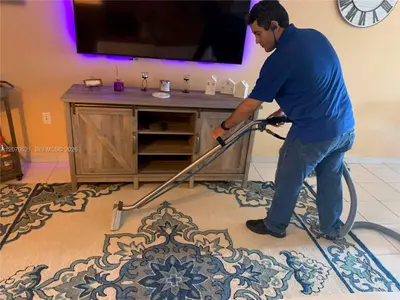 $250,000 Business for SaleCommercial · FL · Net $29,836 · Gross $106,022 · MLS# A12070521Courtesy of Anchorpoint Realty LLC
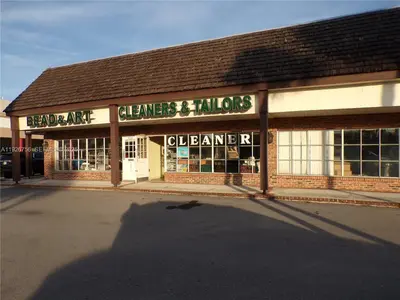 $500,000 Business for Sale in Lighthouse PointCommercial · Lighthouse Point, FL · Gross $150,000 · MLS# A11926756Courtesy of The Keyes Company
Talk to a Business Broker
A licensed BreakThru Realty business broker can read the lease, the financials and the listing with you before you make an offer. Call or text (786) 914-1017, or start your acquisition plan: a broker reviews your budget, industry and timing and replies with the businesses that fit.
Thinking About Selling Your Cleaning Company?
Buyers of established service businesses work with BreakThru Realty throughout Florida, and cleaning companies are on their lists. What they value is specific: recurring contracts that transfer, a stable crew, customers spread across many accounts and financials that show the margin. A broker can review your company confidentially against those requirements before you decide anything.
Over 300 business buyers are already working with BreakThru Realty, seeking acquisitions across Florida. Before you list, a broker reviews what you own, the market around it and whether an existing buyer's requirements match. If none does, you see how we would position it to reach other qualified buyers.
Find Out If We Have a Buyer · Discuss Selling With BreakThru Realty
A potential match is a conversation, not an offer, until the buyer sees your property and makes one. No buyer is named and nothing about your property or business is shared until you decide to proceed.
Questions Buyers Ask
- Do I need a licence to own a cleaning company in Florida?
- There is no state trade licence for janitorial or residential cleaning. You need a local business tax receipt, the insurance and bonding your customers require, and the state registrations every employer needs. Specialized work such as pest control or mold remediation has its own rules; confirm with the agency that regulates it.
- How do I know the contracts will stay after I buy?
- Read each contract's assignment and cancellation clauses, look at how long each customer has stayed, and plan introductions to the largest accounts during the transition. Many buyers tie part of the price to retention through a seller note or an earnout.
- Is a commercial or a residential cleaning company better to buy?
- Neither by default. Commercial companies have larger, documented accounts and more concentration risk; residential companies have many small accounts and more marketing and scheduling work. Choose the one whose risks you can manage and whose numbers you can verify.
Sources
Keep Reading
- Service businesses for sale in Florida
- Businesses for sale in Florida
- How to Buy a Car Wash in Florida
- How to Buy a Dental Practice in Florida
- How to Buy a Medical Practice in Florida
- How to Buy an HVAC Company in Florida
- How to Buy a Plumbing or Electrical Company in Florida
- How to Buy a Landscaping, Pool Service or Pest Control Company in Florida
- What to Check in a Business Lease Before You Buy
- Buying a Business With the Real Estate
- Can I Buy an Existing Business With an SBA Loan?
- How to buy multiple businesses
- How buying a business works
- The lease from the owner's side