Selling a Waterfront Home in South Florida: What Buyers Check and How to Prepare
Waterfront buyers check depth, bridges, the dock, the seawall and flood insurance before the kitchen. What to measure, document and disclose before you list a South Florida waterfront home.
By Tyson E. Sam, Founder and Broker of Record · September 18, 2026
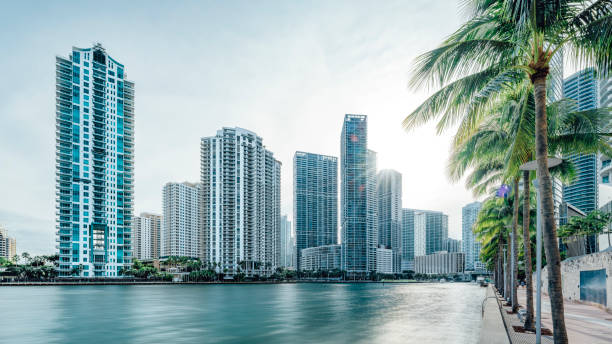
Waterfront buyers in South Florida check the water before the house: the depth at low tide, the route to the ocean and any fixed bridges on it, the dock, the lift and the seawall, and the flood zone and insurance cost. Sellers who measure and document those things before listing, repair or disclose what a marine inspection will find, and price from recent sales on comparable water answer the buyer's questions up front and leave far less to renegotiate after the inspection.
This guide covers what boat owners and other waterfront buyers look at, the paperwork to gather, and how to price and market a home on the Intracoastal, a canal or a lake in Broward and Palm Beach counties.
What waterfront buyers check first
The route to the ocean
For a boat owner, the most important fact about your home is how their boat gets from your dock to the Atlantic. They want to know whether the route passes under a fixed bridge, the clearance at high tide, which inlet they will use, such as the Hillsboro Inlet, Port Everglades or the Boca Raton Inlet, and roughly how long the run takes with the slow-speed and manatee zones along the way.
The MLS carries a no-fixed-bridge field, and buyers search it directly. Pages such as Pompano Beach homes with no fixed bridges and Fort Lauderdale homes with no fixed bridges are built on it. If your home qualifies, make sure the listing says so; if it does not, state the lowest bridge on the route and its clearance, so the buyers who can use your dock find you and the ones who cannot are not surprised.
Water depth and canal width
Buyers ask for the depth at low tide at the dock and at the narrowest, shallowest point between your dock and the Intracoastal. Canal width and turning room decide the longest boat that can realistically be kept there. Have soundings taken at low tide rather than relying on memory.
The dock, the lift and the seawall
- Dock: length, material, condition, and power and water at the dock.
- Lift: rated capacity, age and service history.
- Seawall: age, cracks in the cap, leaning panels, and soil loss or sinking behind the wall. Seawall repair or replacement is one of the most expensive items a waterfront buyer can inherit, so expect it to be inspected closely and priced into any offer.
Permits and local rules
Buyers and their attorneys look for permits and final inspections on the dock, lift and seawall. Many cities also limit how far a dock, lift or moored boat may extend into a waterway, and Broward County and several cities now set minimum elevations for new and substantially rebuilt seawalls. A buyer's marine contractor will note whether your wall would need to be raised when it is next rebuilt, and that affects the offer.
Flood risk and insurance
Expect questions about the flood zone, the elevation certificate, how the lowest floor compares with the base flood elevation, and the cost of flood insurance. National Flood Insurance Program premiums are now priced on property-specific risk, so a quote for your address matters more than a general rule. An existing NFIP policy can generally be assigned to a buyer, which some buyers value. Windstorm insurance matters too: roof age, wind mitigation features and impact-rated openings all show up in the buyer's quote.
The house in salt air
Salt air is hard on air-conditioning condensers, metal railings, door and window hardware and pool equipment. Service what needs servicing before you list rather than leaving it for the inspection report.
What Florida sellers must disclose
Florida law requires a seller of a home to disclose known facts that materially affect its value and are not readily observable to the buyer. Water intrusion, seawall failure and past flooding fall squarely into that category. Florida has also added a specific flood disclosure for residential sales, covering known flooding and past flood insurance claims or federal flood assistance; ask your agent for the current form early. If any part of an oceanfront property lies seaward of the state's coastal construction control line, that must be disclosed as well. When in doubt, disclose, and put it in writing.
Paperwork to gather before you list
- A current survey showing the seawall, the dock and any easements.
- The elevation certificate.
- Permits and final inspections for the dock, lift, seawall, roof, windows and any additions.
- Flood and windstorm insurance declarations and claims history.
- A wind mitigation report and, on an older home, a four-point inspection.
- A seawall and dock inspection from a marine contractor, with any repair estimate.
- Lift service records, and depth soundings taken at low tide.
- Association or deed restrictions on docks and boats, if any apply.
A spec sheet built from these documents, with the water facts first, answers most of a serious buyer's questions before the first showing.
Pricing a waterfront home
Comparable sales for a waterfront home have to match the water, not just the ZIP code. A broker weighs the type of frontage (Intracoastal, wide canal, narrow canal or lake), feet of frontage, bridges on the route, depth, point lots and wide-water views, and the dock. Exact matches are scarce, so the adjustments carry more weight than in a dry-lot valuation.
On many canals the lot itself carries much of the value, because buyers replace older homes with new construction built to current flood elevation standards. That means an original home on excellent water can compete on the strength of the lot, and a renovation may add less than it cost.
Check the evidence yourself. The recently sold homes in Pompano Beach page shows closings with price per square foot, and the Pompano Beach housing market report and Fort Lauderdale housing market report track prices, inventory and days on market daily from the MLS.
Marketing to the right buyer
- Lead with the water. The first lines of the listing should state the frontage, the bridge situation, the depth and the dock.
- Show the route. Aerial photos and video that follow the canal to the Intracoastal tell a boater more than a room tour.
- Show the dock working. A photo with a boat in the lift or at the dock shows scale.
- State the maximum boat. Buyers filter by it, whether or not the listing says it.
The city hubs, from Fort Lauderdale real estate to Pompano Beach, list waterfront homes by feature, which is how boat owners search.
Ready to sell on the water
Our Pompano Beach sell page shows what homes there are selling for and how we market them. Start with a free home valuation built on recent waterfront sales, or visit our seller page to request a full comparative market analysis. If a fast, as-is sale suits you better, compare it with a guaranteed cash offer.