Cost to Sell a House in St. Lucie County
Know what you would keep from your St. Lucie County sale, line by line, before you decide to sell.
Every cost a St. Lucie County seller pays at closing, what each one is, who customarily pays it in St. Lucie County, and how to estimate what you keep.
Selling a house in St. Lucie County has costs a seller can plan for: the Florida documentary stamp tax, title and closing charges, association estoppel fees, prorated property taxes and the brokerage commission. This page works through each one against the live St. Lucie County sold prices, so the net proceeds are not a surprise at the closing table.
St. Lucie County Market at a Glance
Updated November 8, 2026 from BeachesMLS.
- 3,284homes & condos for sale
- 233new listings this week
- 782under contract
- 910waterfront listings
- 136luxury listings ($1,000,000+)
- 412sold in the last 30 days
Newest St. Lucie County Homes for Sale
The 30 newest homes, condos and townhomes on the market in St. Lucie County, straight from BeachesMLS. The 30 listings on this page run from $35,000 to $1,350,000, with a median of $469,950, about $238 per square foot, and they have been listed a median of 1 day.
- The community with the most listings here is Port St Lucie (8), 8 of the 30; the others are spread across 22 more communities.
- By type: 19 single-family homes, 2 condos and 1 townhome or villa.
- Bedrooms run from 2 to 4, a median of 3; they were built between 1980 and 2026, a median of 2002, and 9 in the last ten years.
- 7 of the 30 have a pool, and 10 are on the water.
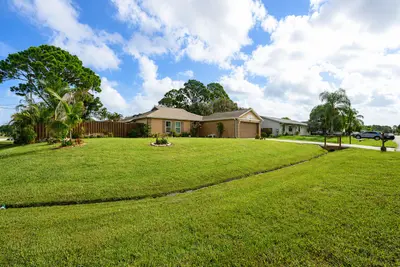 $399,900
397 SW RAY Avenue, Port St. Lucie FL 34983
4 bd · 2 ba · 1,686 sq ft · Single Family Residence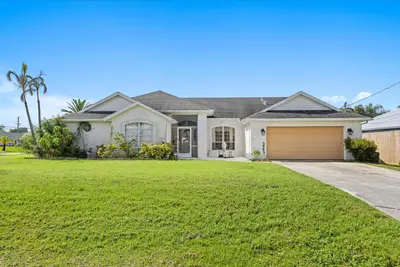 $434,900
2962 SE BELLA Road, Port St. Lucie FL 34984
4 bd · 2 ba · 2,117 sq ft · Single Family Residence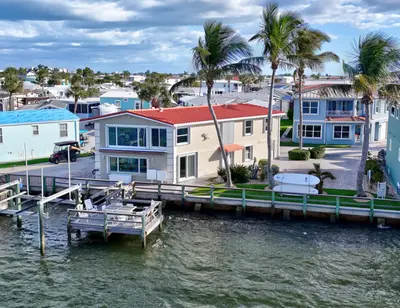 $1,350,000
4 Nettles Boulevard, Jensen Beach FL 34957
3 bd · 2.5 ba · 2,072 sq ft · Single Family Residence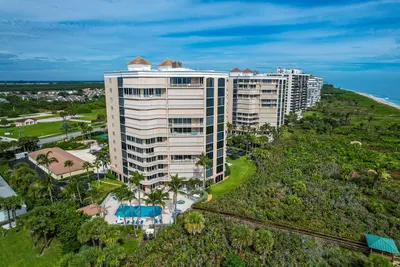 $749,000
2900 N HIGHWAY A1A 3A, Fort Pierce FL 34949
3 bd · 2.5 ba · 2,235 sq ft · Condominium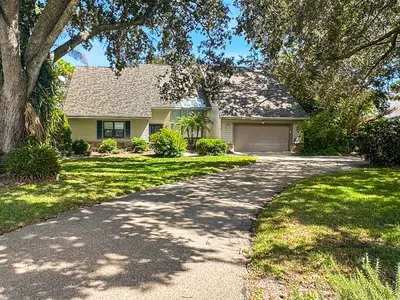 $515,000
5508 DEER RUN Drive, Fort Pierce FL 34951
3 bd · 2.5 ba · 2,534 sq ft · Single Family Residence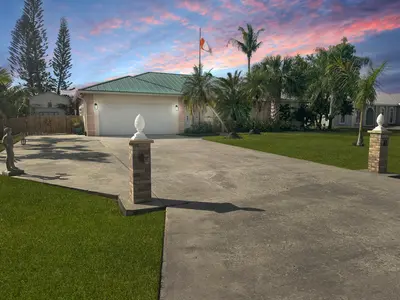 $579,000
5207 Feather Creek Drive, Fort Pierce FL 34951
3 bd · 2 ba · 2,098 sq ft · Single Family Residence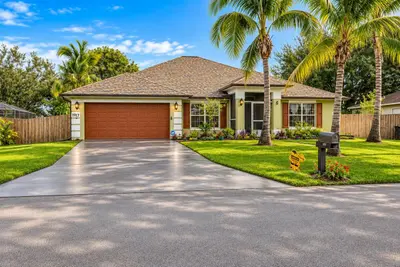 $530,000
1917 SW HILLMAN Street, Port St. Lucie FL 34953
4 bd · 3 ba · 2,434 sq ft · Single Family Residence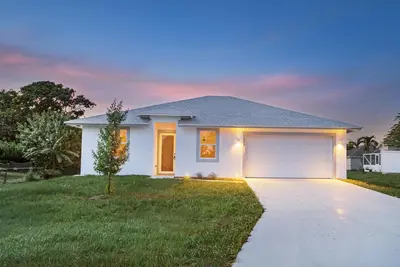 $449,000
1579 SW Fresno Road, Port St. Lucie FL 34953
3 bd · 2 ba · 1,565 sq ft · Single Family Residence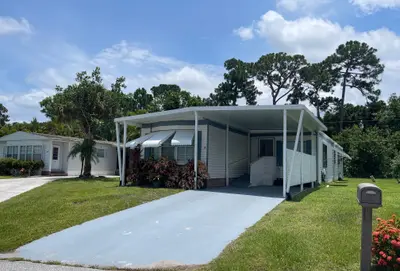 $39,900
15 SE La Mesa, Port St. Lucie FL 34952
2 bd · 2 ba · 1,248 sq ft · Manufactured Home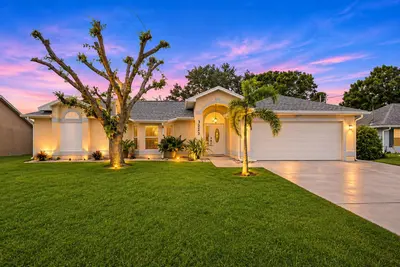 $435,000
3223 SE Pinto Street, Port St. Lucie FL 34984
4 bd · 2 ba · 1,826 sq ft · Single Family Residence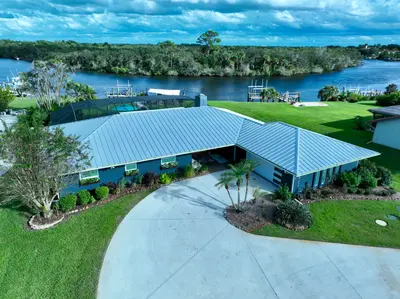 $1,099,900
651 SE HIDDEN RIVER Drive, Port St. Lucie FL 34983
3 bd · 2.5 ba · 2,376 sq ft · Single Family Residence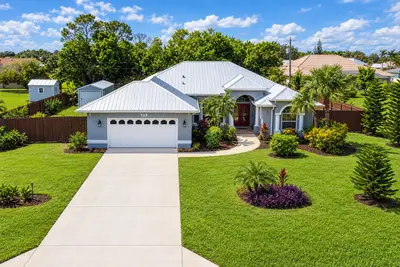 $635,000
138 SW East Danville Circle, Port St. Lucie FL 34953
4 bd · 2.5 ba · 2,702 sq ft · Single Family Residence$598,000
10736 SW Matisse Lane, Port St. Lucie FL 34987
2 bd · 2 ba · 1,716 sq ft · Single Family Residence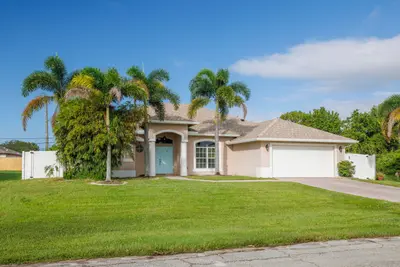 $449,900
3744 SW Jamros Street, Port St. Lucie FL 34953
4 bd · 3 ba · 2,359 sq ft · Single Family Residence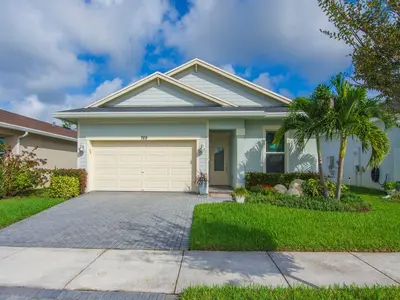 $490,000
769 SE BLOOMFIELD Road, Port St. Lucie FL 34984
3 bd · 2 ba · 1,693 sq ft · Single Family Residence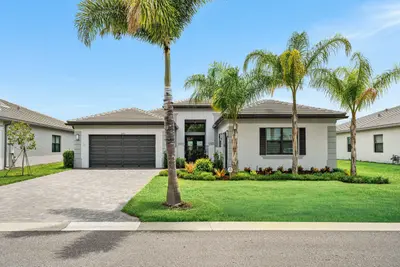 $950,000
12225 SW Saltwater Drive, Port St. Lucie FL 34987
3 bd · 3.5 ba · 3,108 sq ft · Single Family Residence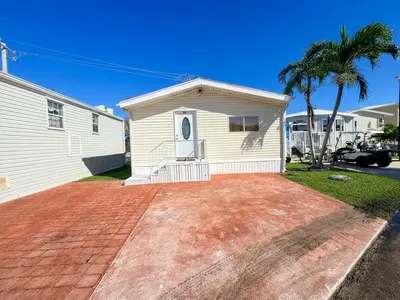 $225,000
10725 S OCEAN 23, Jensen Beach FL 34957
2 bd · 2 ba · 406 sq ft · Manufactured Home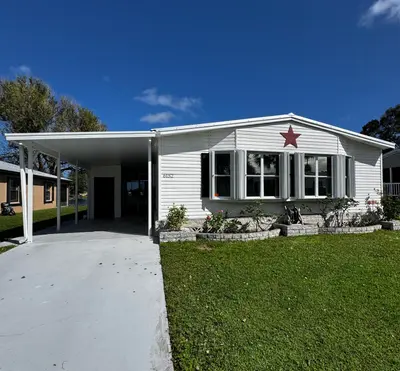 $44,900
6152 Spanish Lakes Boulevard, Fort Pierce FL 34951
2 bd · 2 ba · 1,200 sq ft · Manufactured Home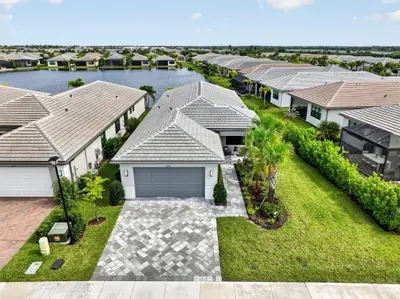 $659,900
11720 SW Marine Way, Port St. Lucie FL 34987
2 bd · 2.5 ba · 2,136 sq ft · Single Family Residence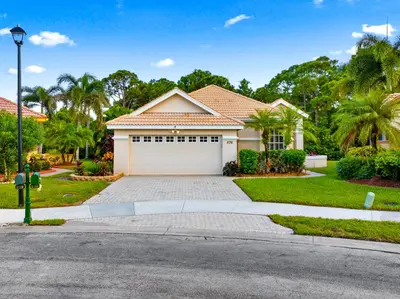 $385,000
576 SW SAINT KITTS Cove, Port St. Lucie FL 34986
3 bd · 2 ba · 1,659 sq ft · Manufactured Home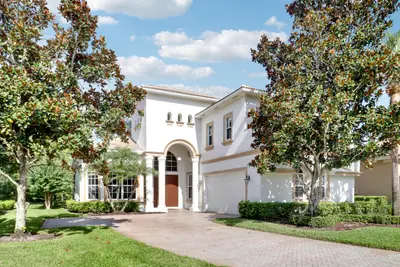 $714,900
8605 Tompson Point Road, Port St. Lucie FL 34986
3 bd · 2.5 ba · 3,492 sq ft · Single Family Residence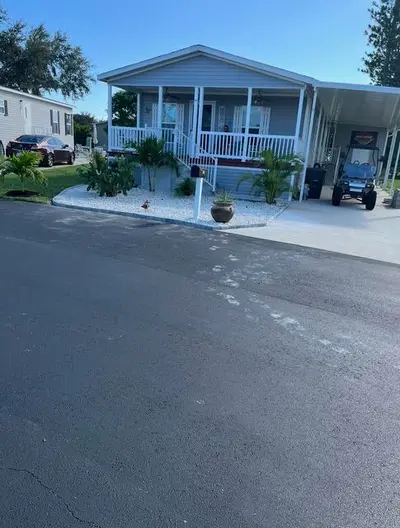 $88,000
88 Sandhill Boulevard, Fort Pierce FL 34982
3 bd · 2 ba · 1,248 sq ft · Manufactured Home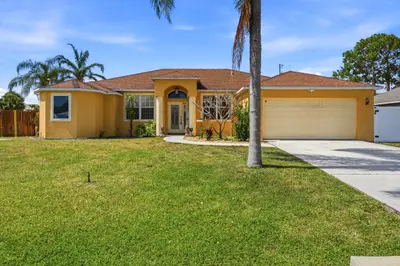 $550,000
1202 SW San Esteban Avenue, Port St. Lucie FL 34953
4 bd · 3 ba · 2,413 sq ft · Single Family Residence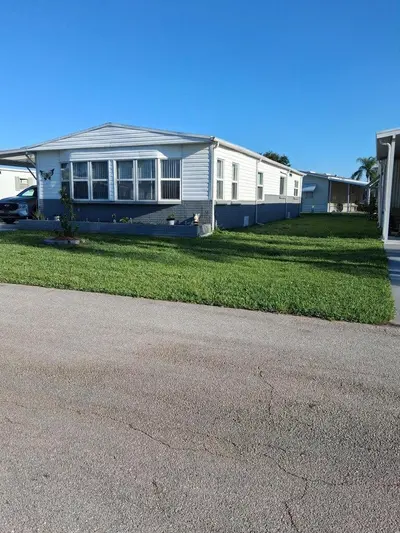 $90,000
20 Flores Way, Port St. Lucie FL 34952
2 bd · 2 ba · 1,305 sq ft · Mobile Home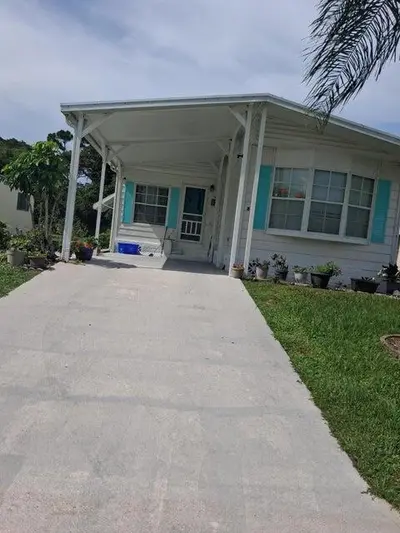 $35,000
8 Novedades, FL 34952
2 bd · 2 ba · 624 sq ft · Manufactured Home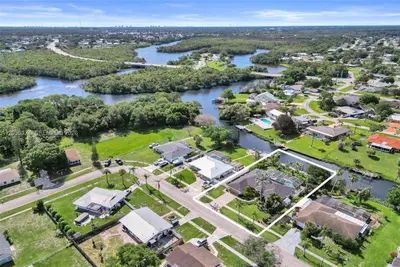 $875,000
462 NE Cornwall, Port St. Lucie FL 34983
4 bd · 3 ba · 2,503 sq ft · Single Family Residence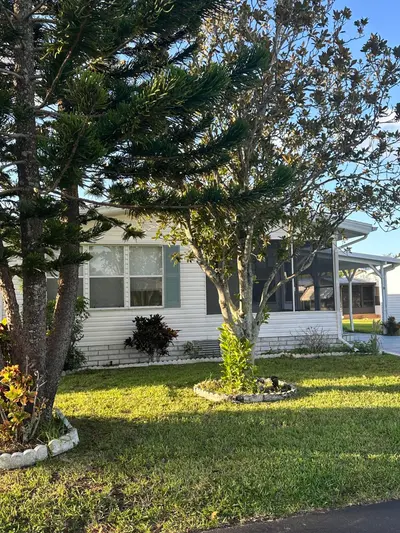 $74,900
528 Tropical Isles Circle, Fort Pierce FL 34982
2 bd · 2 ba · 1,326 sq ft · Manufactured Home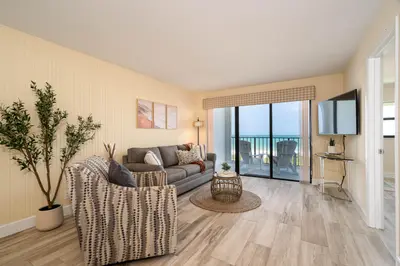 $400,000
5159 N HIGHWAY A1A Unit 614, Hutchinson Island FL 34949
2 bd · 2 ba · 1,078 sq ft · Condominium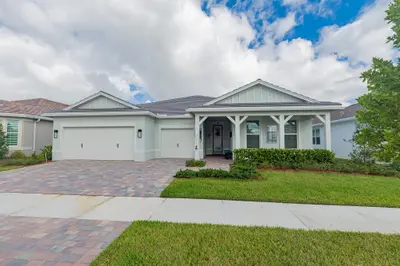 $799,888
13604 SW Vermillion Circle, Port St. Lucie FL 34987
3 bd · 3.5 ba · 2,962 sq ft · Single Family Residence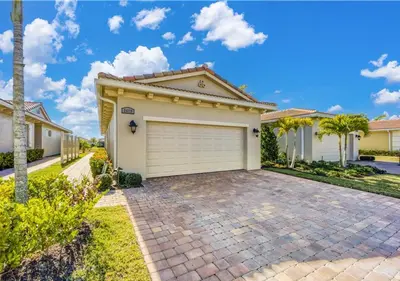 $444,900
26179 SW VITERBO Way, Port St. Lucie FL 34986
2 bd · 2 ba · 1,620 sq ft · Villa
See every St. Lucie County home for sale with map and filters.
| Single-family homes | Condos & townhomes | |
|---|---|---|
| Active listings | 2,341 | 605 |
| Median list price | $440,000 | $309,900 |
| Median list price per sq ft | $234/sq ft | $218/sq ft |
| Average days on market | 118 days | 139 days |
| Sold in the last 90 days | 1,209 | 231 |
| Median sold price (90 days) | $409,900 | $325,000 |
| Sale price as % of list price | 98.4% | 96.7% |
| Months of inventory | 5.8 months | 7.9 months |
| Median sold price vs. a year ago | +0.4% | +15.7% |
Source: BeachesMLS. Active listings as of November 8, 2026; sold figures cover closings in the last 90 days, compared with the same 90 days one year earlier. Not an appraisal. How these figures are calculated.
The Costs of Selling a House in St. Lucie County, in Order of Size
For most St. Lucie County sellers the list runs: the mortgage payoff, the brokerage commission, the Florida documentary stamp tax on the deed, title and settlement charges, property taxes for the part of the year you owned the home, association fees and estoppel charges where there is an association, and whatever you agree with the buyer after inspection. None of them is paid up front. They are deducted from the sale price on the closing statement, and what is left is wired to you.
Documentary Stamp Tax in St. Lucie County
Florida charges a documentary stamp tax on every deed, customarily paid by the seller. In St. Lucie County, as in every Florida county except Miami-Dade, the rate is 70 cents per $100 of the sale price. On the median St. Lucie County single family home sale of $409,900, that comes to about $2,869. It is calculated on the full price, not on your gain, and it is due at closing.
Title Insurance and Closing Charges in St. Lucie County
Who pays for the owner's title insurance policy is a matter of local custom, and it is written into the contract. In St. Lucie County the seller customarily chooses the title company and pays for the owner's policy, the reverse of Miami-Dade and Broward, where the buyer does. Florida sets title insurance premiums by a published rate, so the policy costs the same at any company and rises with the price. The seller also pays a settlement fee, a lien search, and the cost of clearing anything it turns up, such as an open permit or an unpaid utility balance. All of it is negotiable, so read the contract rather than relying on custom.
Property Taxes, Association Fees and Assessments
Florida property taxes are paid in arrears, so at closing the seller credits the buyer for the taxes from January 1 to the closing date; the later in the year you close, the larger that credit. If the home is in a condominium or a homeowners' association, the association charges for an estoppel certificate showing what is owed, a fee capped by Florida statute, and any unpaid dues are settled at closing. In St. Lucie County's older condominium buildings, ask early about special assessments tied to the milestone inspection and the structural reserve study: the contract decides whether the seller or the buyer pays one that has been levied but not yet billed.
Repairs, Credits and Preparing the Home
After the inspection, most buyers ask for repairs or a credit. South Florida insurers care about four things, the roof, the electrical panel, the plumbing and the air conditioning, so a buyer's four point inspection tends to decide what is asked for. Knowing the roof's age and having permits closed before you list removes most surprises. Preparation costs (cleaning, paint, landscaping, staging) are optional, and we tell you which ones the St. Lucie County comparables say will come back in the price and which will not.
Taxes on the Gain, and Foreign Sellers
Florida has no state income tax, so any tax on your gain is federal. Owners who lived in the home as their main residence for two of the last five years can usually exclude up to $250,000 of gain, or $500,000 for a married couple filing jointly; investment and second homes do not qualify, which is where a 1031 exchange comes in. If the seller is a foreign person, the buyer is generally required under FIRPTA to withhold 15% of the sale price for the IRS unless an exception or a withholding certificate applies, something to plan for months before closing. This is general information, not tax advice; confirm your position with a CPA.
Estimating What You Keep
Net proceeds are the sale price less the mortgage payoff and the costs above. We prepare a written estimate for your address before you decide anything, using a valuation from matching St. Lucie County sales and the actual St. Lucie County charges, and we put a guaranteed cash offer beside it if you want to compare a certain, as is sale with a listing. Request it with the form on this page.
St. Lucie County Costs Beyond the County Norms
Several selling costs in St. Lucie County come from the way the county was developed. In the planned communities of Port St. Lucie, the remaining CDD balance is either paid off at closing or passed to the buyer, and that choice often becomes part of the negotiation. Associations charge for estoppel certificates, some add transfer or capital contribution fees, and club communities such as Harbour Ridge carry membership terms the contract should address. In the older sections and the unincorporated areas, buyers may ask for a septic inspection or a well test, and open permits for a pool, roof or enclosure surface in the lien search and must be closed. Manufactured-home sellers may need park approval of the buyer. Florida's documentary stamp tax on the deed applies to every St. Lucie County sale.
Selling a St. Lucie County Condo or Association Home
Selling a condo or association home in St. Lucie County runs on the association's timetable as much as the seller's. Order the estoppel certificate early, because it fixes the dues, the assessments and any balance the closing relies on. Buyers are entitled to the declaration, bylaws, rules, budget and financial report, and for island towers and other buildings of three stories or more, lenders and buyers will ask for the milestone inspection and the structural integrity reserve study. Many associations on Hutchinson Island, in St. Lucie West and in the fifty-five-plus communities approve each buyer, which can add weeks when a board meets rarely. In a St. Lucie County land-lease community, confirm how the park approves the buyer and assigns the lease before listing.
When St. Lucie County Sellers Close Fastest
Timing in St. Lucie County depends on who the buyer is. Island condos and fifty-five-plus homes meet many of their buyers from January into April, when winter residents are in town and Mets spring training at Clover Park brings visitors to St. Lucie West, so listing in the autumn with documents ready lets a seasonal buyer close before heading north. Family homes in Port St. Lucie and west Fort Pierce sell through the year, with late spring and early summer busy ahead of the school year. Hurricane season, from June through November, can delay a closing when insurers pause new policies as a storm nears. A St. Lucie County seller with permits closed, the roof documented and association papers gathered loses the fewest days.
Recently Sold in St. Lucie County
The newest closings in St. Lucie County, with the sale price, closing date and days on market for each.
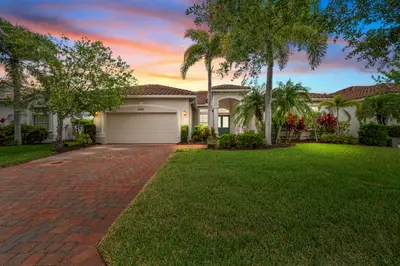 Sold $505,000
Closed Nov 6, 2026 · 11360 SW Aspen Lane, Port St. Lucie FL 34987
3 bd · 2.5 ba · 2,531 sq ft · $200/sq ft · 101 days on market · 97.1% of list price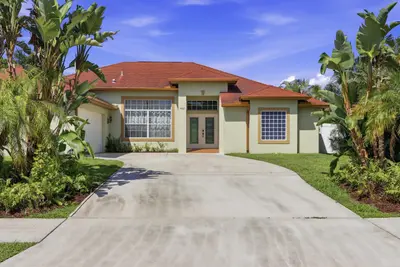 Sold $469,900
Closed Nov 6, 2026 · 4432 SW PALEY Road, Port St. Lucie FL 34953
4 bd · 2 ba · 2,310 sq ft · $203/sq ft · 56 days on market · 100% of list price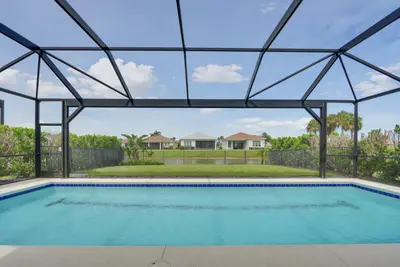 Sold $510,000
Closed Nov 6, 2026 · 8826 SW BREVE Way, Port St. Lucie FL 34987
2 bd · 2 ba · 1,571 sq ft · $325/sq ft · 3 days on market · 100% of list price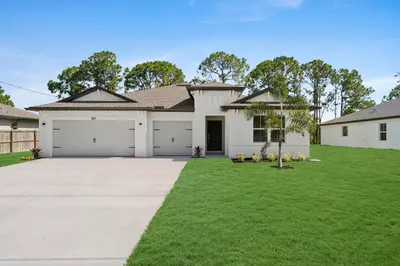 Sold $540,000
Closed Nov 5, 2026 · 841 NW Archer Avenue, Port St. Lucie FL 34983
4 bd · 3 ba · 2,350 sq ft · $230/sq ft · 142 days on market · 98.2% of list price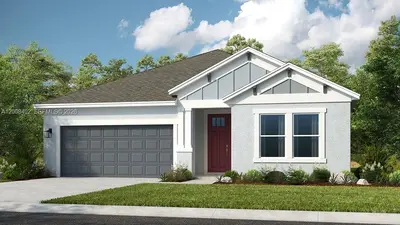 Sold $499,579
Closed Nov 5, 2026 · 657 SE Ranch Oak Circle, Port St. Lucie FL 34984
4 bd · 3 ba · 169 days on market · 100% of list price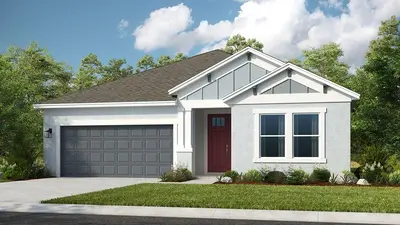 Sold $499,579
Closed Nov 5, 2026 · 657 SE Ranch Oak Circle, Port St. Lucie FL 34984
4 bd · 3 ba · 2,394 sq ft · $209/sq ft · 40 days on market · 100% of list price
What Is Your St. Lucie County Home Worth?
Request a free valuation built on recent St. Lucie County sales, or a full comparative market analysis before you list. No fee, no obligation, and a licensed broker answers within one business day.
Cost to Sell: Frequently Asked Questions
- How much does it cost to sell a house in St. Lucie County?
- Apart from the mortgage payoff, a St. Lucie County seller pays the brokerage commission, the Florida documentary stamp tax on the deed, title and settlement charges, prorated property taxes, any association estoppel fee and unpaid dues, and whatever repairs or credits are agreed after inspection. Everything is deducted at closing; nothing is paid up front. We prepare a written net proceeds estimate for your address before you decide.
- How much are documentary stamps on a home sale in St. Lucie County?
- In St. Lucie County the documentary stamp tax on a deed is 70 cents per $100 of the sale price, the rate in every Florida county except Miami-Dade. On the median St. Lucie County single family home sale of $409,900, that is about $2,869. The seller customarily pays it.
- Who pays for title insurance in St. Lucie County, the buyer or the seller?
- By local custom the seller chooses the title company and pays for the owner's policy in St. Lucie County. In Miami-Dade and Broward the custom is reversed and the buyer pays. It is a custom, not a law, so the contract controls.
- Do I pay capital gains tax when I sell my home in Florida?
- Florida has no state income tax, so any tax on the gain is federal. If the home was your main residence for two of the last five years you can usually exclude up to $250,000 of gain, or $500,000 for a married couple filing jointly. Second homes and rentals do not qualify. This is general information, not tax advice; confirm it with a CPA.
- Do I have to make repairs before I sell?
- No. You can sell as is, and the standard Florida as is contract gives the buyer an inspection period rather than a repair obligation. Repairs become a negotiation after the inspection, usually settled with a credit. If you would rather avoid showings and inspections altogether, ask us for the guaranteed cash offer and compare it with the listing estimate.
More for St. Lucie County Sellers
Selling With BreakThru Realty
More St. Lucie County Real Estate
- St. Lucie County real estate guide
- St. Lucie County luxury homes with price reductions
- St. Lucie County penthouses for sale, by building
- St. Lucie County Waterfront Homes & Condos for Sale
- St. Lucie County Single-Family Homes for Sale
- St. Lucie County Condos for Sale
- Sell your St. Lucie County home
- Recently sold homes in St. Lucie County
St. Lucie County Homes by Price Range
- St. Lucie County homes for sale from $390K to $400K
- St. Lucie County homes for sale from $400K to $500K
- St. Lucie County homes for sale from $500K to $600K
- St. Lucie County homes for sale from $600K to $700K
- St. Lucie County homes for sale from $700K to $800K
- St. Lucie County homes for sale from $800K to $900K
- St. Lucie County homes for sale from $900K to $1M
- St. Lucie County homes for sale from $1M to $5M
- St. Lucie County homes for sale from $5M to $10M
- St. Lucie County homes for sale from $10M to $15M
- St. Lucie County homes for sale from $15M to $20M
- St. Lucie County homes for sale from $20M to $25M
- St. Lucie County homes for sale from $25M to $30M
- St. Lucie County homes for sale from $30M to $35M
- St. Lucie County homes for sale from $35M to $40M
- St. Lucie County homes for sale from $40M to $45M
- St. Lucie County homes for sale from $45M to $50M
- St. Lucie County homes for sale from $50M to $55M
- St. Lucie County homes for sale from $55M to $60M
- St. Lucie County homes for sale from $60M to $65M
- St. Lucie County homes for sale from $65M to $70M
- St. Lucie County homes for sale from $70M to $75M
- St. Lucie County homes for sale from $75M to $80M
- St. Lucie County homes for sale from $80M to $85M
- St. Lucie County homes for sale from $85M to $90M
- St. Lucie County homes for sale from $90M to $95M
- St. Lucie County homes for sale from $95M to $100M
- St. Lucie County homes for sale $100M and up