Waterfront Condo Living: What to Know Before You Buy
Ocean views come with reserves, assessments, and inspection reports. A checklist for buying a South Florida condo with your eyes open.
By Tyson E. Sam, Founder and Broker of Record · August 7, 2026 · 2 min read
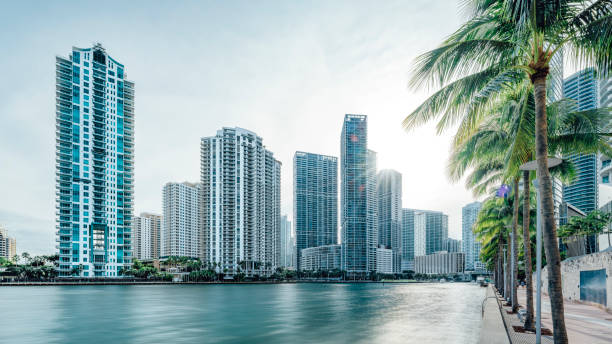
There is nothing like waking up to the Atlantic. There is also nothing like a surprise special assessment. Buying a condo in South Florida today means reading the building as carefully as the unit.
Start with the documents
Florida law gives condo buyers a window to review association documents and cancel the contract. Use it. Ask for:
- The budget and reserve study. Buildings are now required to fund reserves for major components. A healthy reserve balance is the single best sign of a well-run association.
- The milestone inspection report for buildings over a certain age. This tells you the structural condition of the building.
- Meeting minutes for the last year. This is where you learn about pending litigation, upcoming assessments, and disputes.
- Insurance declarations. Coverage gaps become owner costs.
Questions to ask about the building
- When was the roof last replaced? The seawall? The elevators?
- Is there any pending or planned special assessment?
- What percentage of units are rentals versus owner-occupied? Some lenders will not finance buildings with high rental ratios.
- What are the rental restrictions if you ever want to lease your unit?
Questions to ask about the unit
- Are the windows and sliders impact-rated?
- Has the unit ever had water intrusion?
- What is included in the association fee? Water, cable, and insurance are often bundled.
Where to look
- Fort Lauderdale and Pompano Beach for direct ocean and Intracoastal at a wider range of price points.
- Hollywood and Hallandale for newer towers and walkable boardwalks.
- Sunny Isles and Miami Beach for the top of the market.
- The Treasure Coast for quieter waterfront with lower association fees.
Browse our current waterfront listings or talk to us about buildings we know well.