How to Buy a Foreclosure in South Florida: Bank-Owned Homes, Short Sales and Courthouse Auctions
The four ways to buy a distressed home in Florida (bank-owned, short sale, pre-auction foreclosure listing and the clerk's auction), how each one works, and the checks that keep a bargain from becoming a problem.
By Tyson E. Sam, Founder and Broker of Record · September 18, 2026
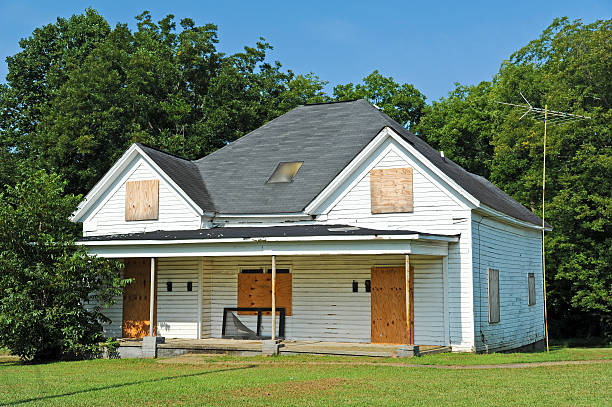
There are four ways to buy a distressed home in South Florida, and they are different transactions with different risks. A bank-owned (REO) home is listed by the lender after a foreclosure, and you can tour, inspect, finance and insure it like any other purchase. A short sale is sold by an owner who owes more than the home is worth, with the lender's approval still to come. A foreclosure listing is a home with a case already filed that the owner is trying to sell before the auction. And the clerk's foreclosure auction is a cash sale run by the county, with no inspection, no seller disclosure and no promise that the house is empty.
Most buyers, including most investors, do best with the first three. The auction can work, but only for buyers who have done the title work and have the cash ready. This guide explains how each route works in Florida and what to check before you commit, with links to the live listings for each.
How foreclosure works in Florida
Florida forecloses through the courts. The lender files a lawsuit and records a lis pendens, a public notice that the property is the subject of litigation, with the county clerk. If the case is not resolved, the judge enters a final judgment and sets a sale date, and the clerk sells the home at a public auction. In Broward, Miami-Dade and Palm Beach counties those auctions are held online.
Two features of the process matter to buyers. First, it is slow: a contested case commonly takes a year or more from filing to sale, which is why so many owners sell as a short sale or a regular listing before the auction. Second, the owner can still redeem the home by paying what the judgment requires until the clerk files the certificate of sale, or until a later time if the judgment sets one. After the auction there is a ten-day window for objections before the clerk issues the certificate of title to the winning bidder.
1. Bank-owned (REO) homes
When nobody outbids the lender at auction, the lender takes the home and it becomes "real estate owned". The bank clears the occupants, secures the property and lists it with an agent. From there it is an ordinary MLS listing, and it is the largest category of distressed homes on the market. See the current bank-owned homes for sale.
What is different:
- The bank's addendum. Lenders attach their own addendum, which overrides much of the standard Florida contract. Expect as-is terms with a right to inspect, no repairs, no seller disclosure, a short inspection period, a per-diem charge if you close late, and a deed that warrants less than a typical sale. Read it before you sign, not after.
- Slow answers, firm deadlines. Banks can take days to respond to an offer and then expect you to perform on a tight schedule.
- Condition. An REO home has usually sat empty. Look for water damage, mold, missing appliances, stripped fixtures and plumbing that has not run in months.
- Financing. Conventional, FHA and VA loans work if the home meets the lender's condition standards. If it does not, renovation loans such as the FHA 203(k) or Fannie Mae's HomeStyle program can finance the purchase and the repairs together.
Government-owned homes follow their own rules. HUD homes, for example, are offered first to buyers who will live in them before investors can bid.
2. Short sales
A short sale is a home listed for less than the owner owes, so the lender has to agree to accept less than the full payoff. The owner still owns the home and usually still lives in it, which often means it is in better condition than a bank-owned property, with the utilities on and a real seller disclosure. The catch is time. The lender's review commonly takes thirty to ninety days, a second mortgage or a mortgage insurer adds another approval, and the bank can counter the price you agreed with the seller. See the current short sale listings.
Short sales suit buyers who are not in a hurry. Keep your loan approval and rate lock current, do not give notice on a rental until you have the lender's written approval, and ask whether the price has already been approved on an earlier offer, which is the best sign that a short sale will close.
3. Foreclosure listings before the auction
Some owners with a case filed list the home themselves, hoping to sell before the sale date. The price has to cover the mortgage, the arrears, the lender's legal fees and anything else attached to the title, or the deal becomes a short sale. These listings change quickly, and the title search usually turns up more than normal: second mortgages, association liens and code enforcement fines. The upside is a motivated seller with a deadline. See the current foreclosure listings.
Two related categories are worth watching. Probate and estate sales are often long-held homes sold as-is by heirs who want a clean sale. Auction listings are homes marketed for sale by auction on an online platform, which you can tour before you bid; they usually add a buyer's premium to the winning bid, and lenders will not finance it.
4. The clerk's foreclosure auction
The courthouse auction is where the deepest discounts are, and where mistakes are most expensive. Before you register to bid, understand what you are buying:
- It is cash. The winning bidder posts a deposit of 5% of the bid and pays the balance on the clerk's deadline, usually by the next business day. There is no financing contingency.
- There is no inspection. You usually cannot go inside. You are bidding on the outside of the house and the public record.
- Not every lien is wiped out. A foreclosure clears the liens that are junior to the foreclosing party and were named in the case. It does not clear property taxes. If the foreclosing party is a condominium or homeowners association or a second-mortgage holder, the first mortgage survives the sale and stays on the property. Some of the lowest opening bids at auction are association foreclosures for exactly that reason.
- Association arrears follow the property. Under Florida's condominium and homeowners association statutes, a new owner, including one who buys at a foreclosure sale, is generally liable, together with the previous owner, for unpaid assessments. Only the foreclosing first-mortgage lender gets a limited cap. Budget for the past-due assessments before you bid.
- The home may be occupied. If the former owner is still there, you ask the court for a writ of possession. A tenant with a genuine lease has federal protection, including at least 90 days' notice before they have to leave.
- You get a certificate of title, not a warranty deed. Some title insurers want more work, occasionally a quiet title action, before they will insure your resale.
If you still want to bid, run a full title search before the sale, compare the opening bid with the judgment, request the association's figures, drive the property and have your funds ready. Tax deed sales, where a county sells property for unpaid taxes, are a separate process with their own rules.
The checks that apply to every distressed purchase
Whichever route you choose, run these checks before your inspection period ends, or before you bid:
- Title and lien search: mortgages, association liens, code enforcement fines, unpaid utilities, judgments and federal tax liens.
- Open and expired permits: unpermitted additions, enclosed garages and old roof permits can cost money to fix and can block insurance.
- Insurability: order a four-point and a wind mitigation inspection and get an insurance quote early. Florida insurers look hard at the roof, electrical, plumbing and air conditioning, and a home you cannot insure is a home most lenders will not finance.
- Flood zone and elevation certificate: for the flood insurance cost, and because major work on an older home below the base flood elevation can trigger FEMA's substantial-improvement rule, which may require bringing the whole structure up to current flood standards.
- Condo documents: the milestone inspection report, the structural integrity reserve study, the reserve funding and any special assessment. A failed inspection or a large assessment is often the reason a unit is distressed in the first place.
- Repair budget and after-repair value: price your offer from a realistic renovation budget and the recent sales of renovated homes nearby, not from the list price.
Where the distressed listings are
Distressed inventory is spread across all three counties, but it looks different in each one. The county pages break it down: Broward County foreclosures, Miami-Dade County foreclosures and Palm Beach County foreclosures. The South Florida foreclosures hub links every category, updated throughout the day from the MLS. We do not print counts or prices in this guide, because they change daily.
If you are the homeowner
If you are behind on payments or have been served, you have more options early in the case than late: reinstating the loan, a modification, a regular sale if there is equity, a short sale if there is not, or a deed in lieu. Selling before the judgment usually protects both your credit and your equity. Our pre-foreclosure guide explains the process, and a free home valuation or a cash offer will show you where you stand, with no obligation. Speak to a Florida attorney about the legal side of your case.
Next step
Tell us which route fits your budget and timeline. A BreakThru agent can set up alerts for new bank-owned and short sale listings in the neighborhoods you want, read the bank's addendum with you and order the lien search before you commit. Our buyer page explains how we represent you from offer to closing.